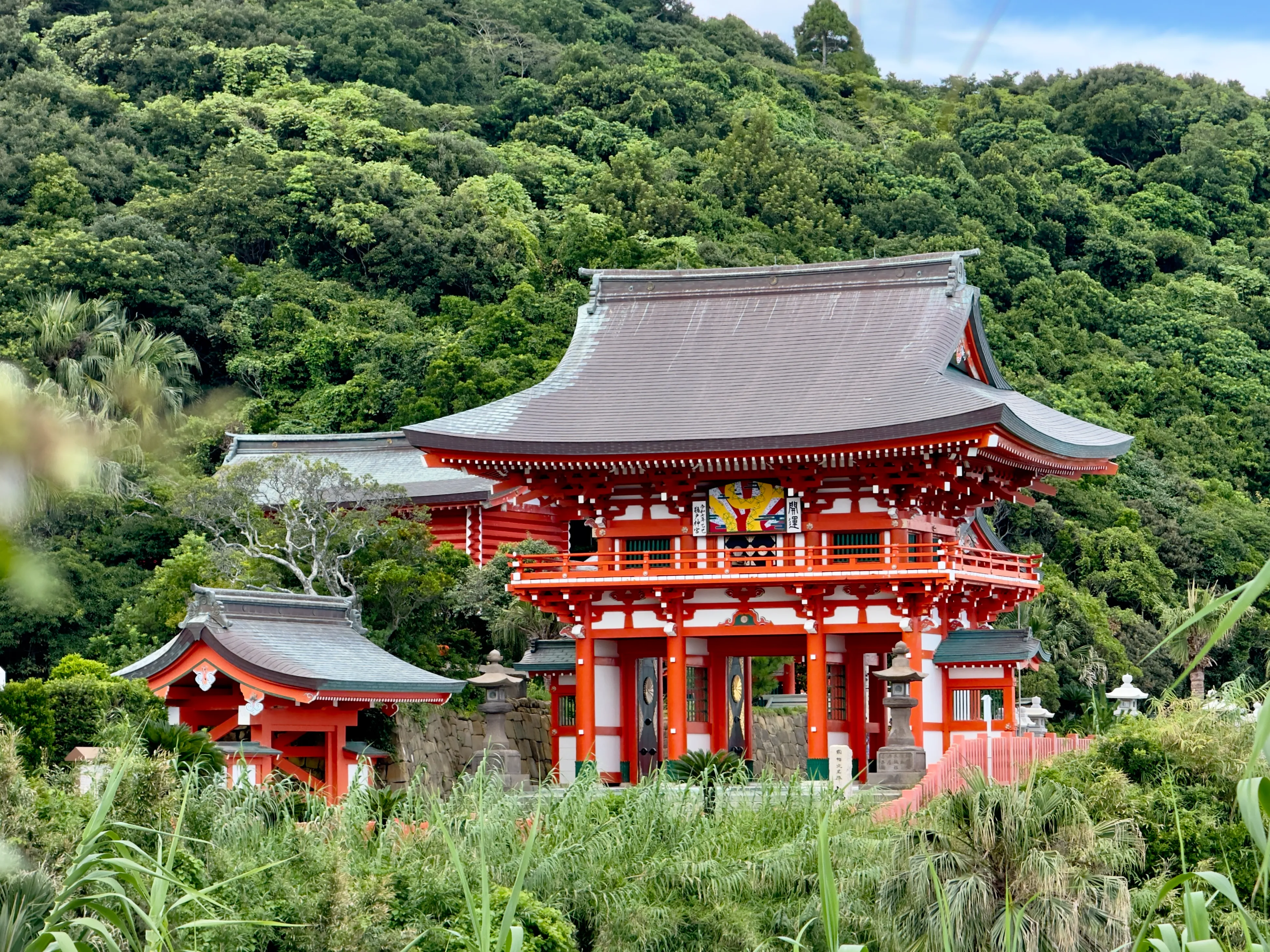
Udo Jingu Shinto Shrine, Kyushu

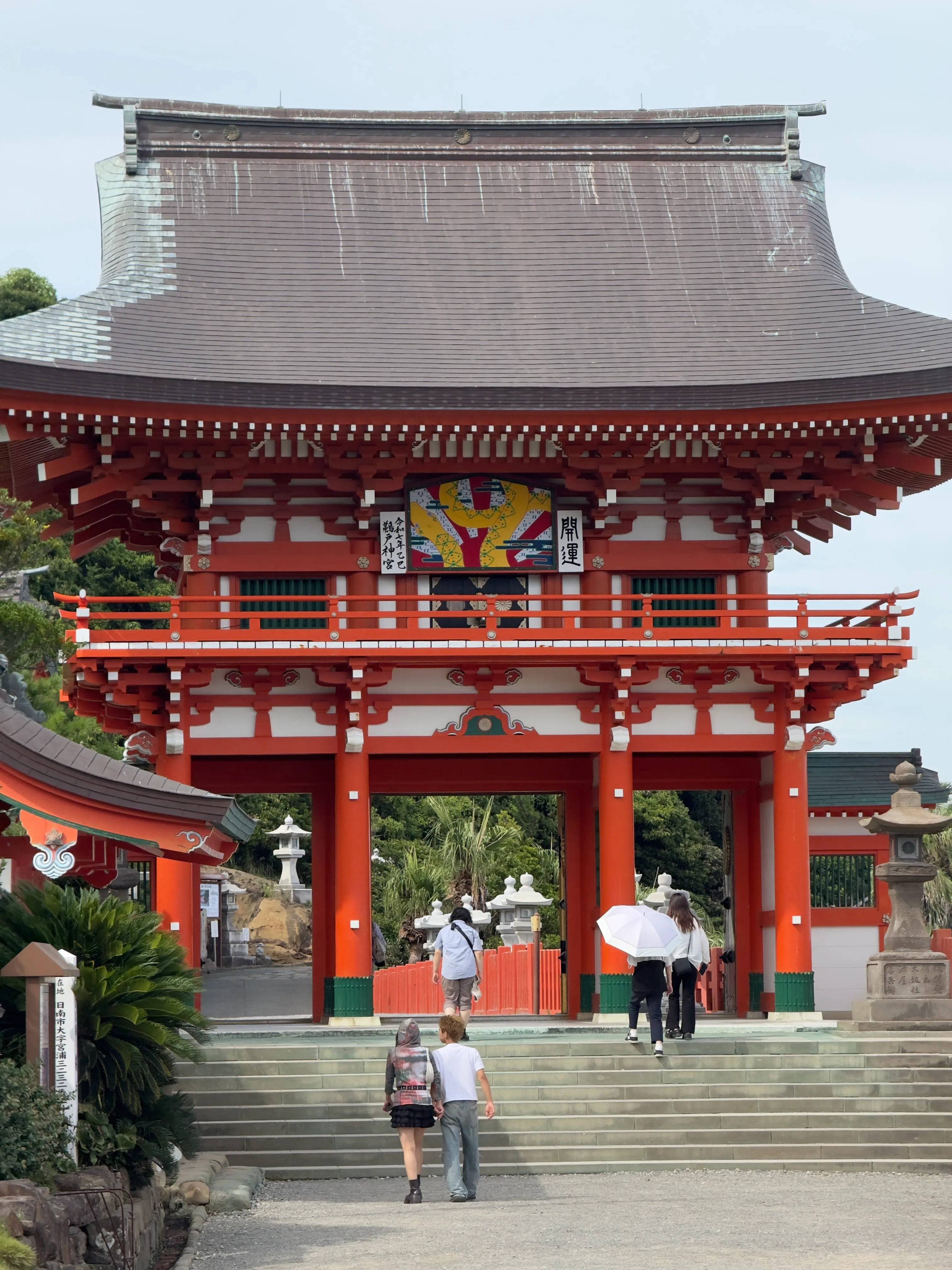
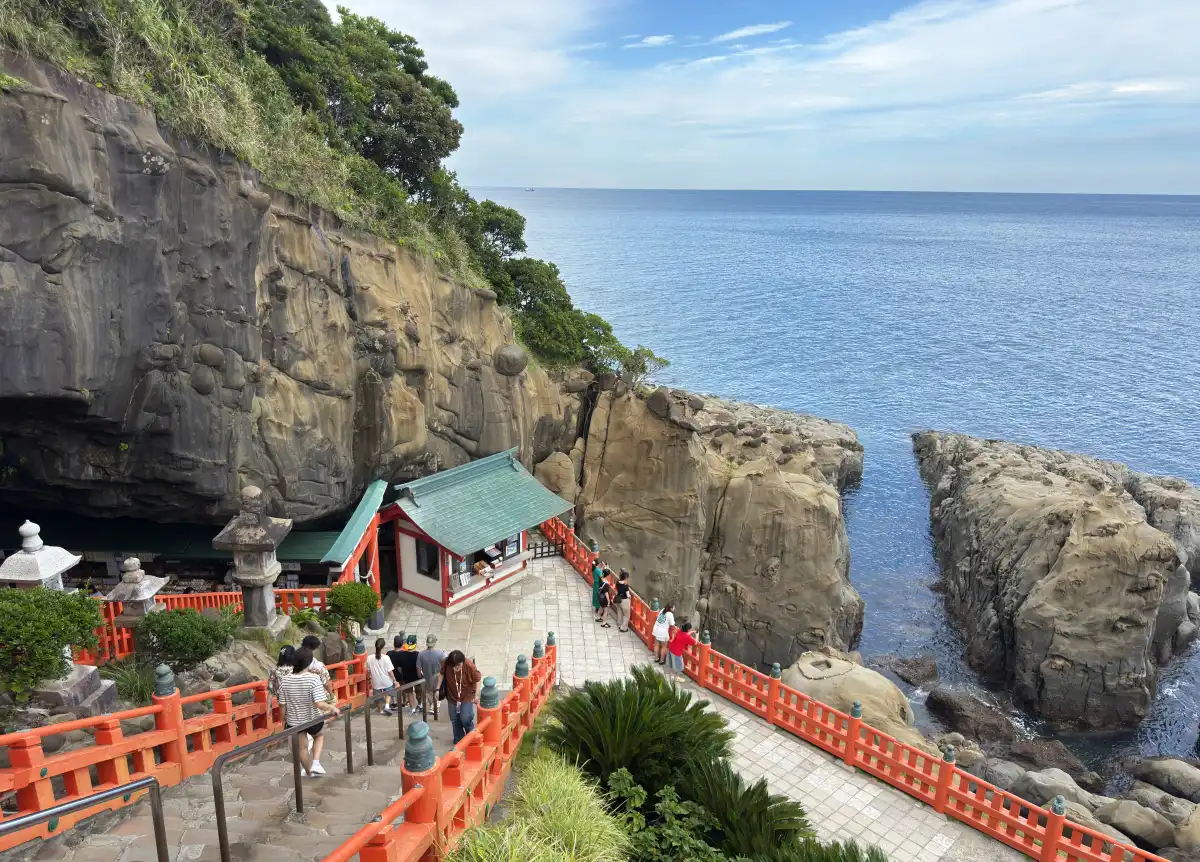
Udo Jingu Shinto Shrine near Nichinan, Kyushu is a distinctive spiritual sanctuary embodying ancient Japanese mythology and devotion. Located on the Nichinan Coast in Nichinan City, Miyazaki Prefecture, on the southeastern edge of Kyushu Island, the shrine occupies a dramatic clifftop position overlooking the Pacific Ocean at Udozaki Cape. This coastal setting integrates the shrine deeply with the sea, waves, and rugged cliffs, fostering a profound sense of communion with natural forces.
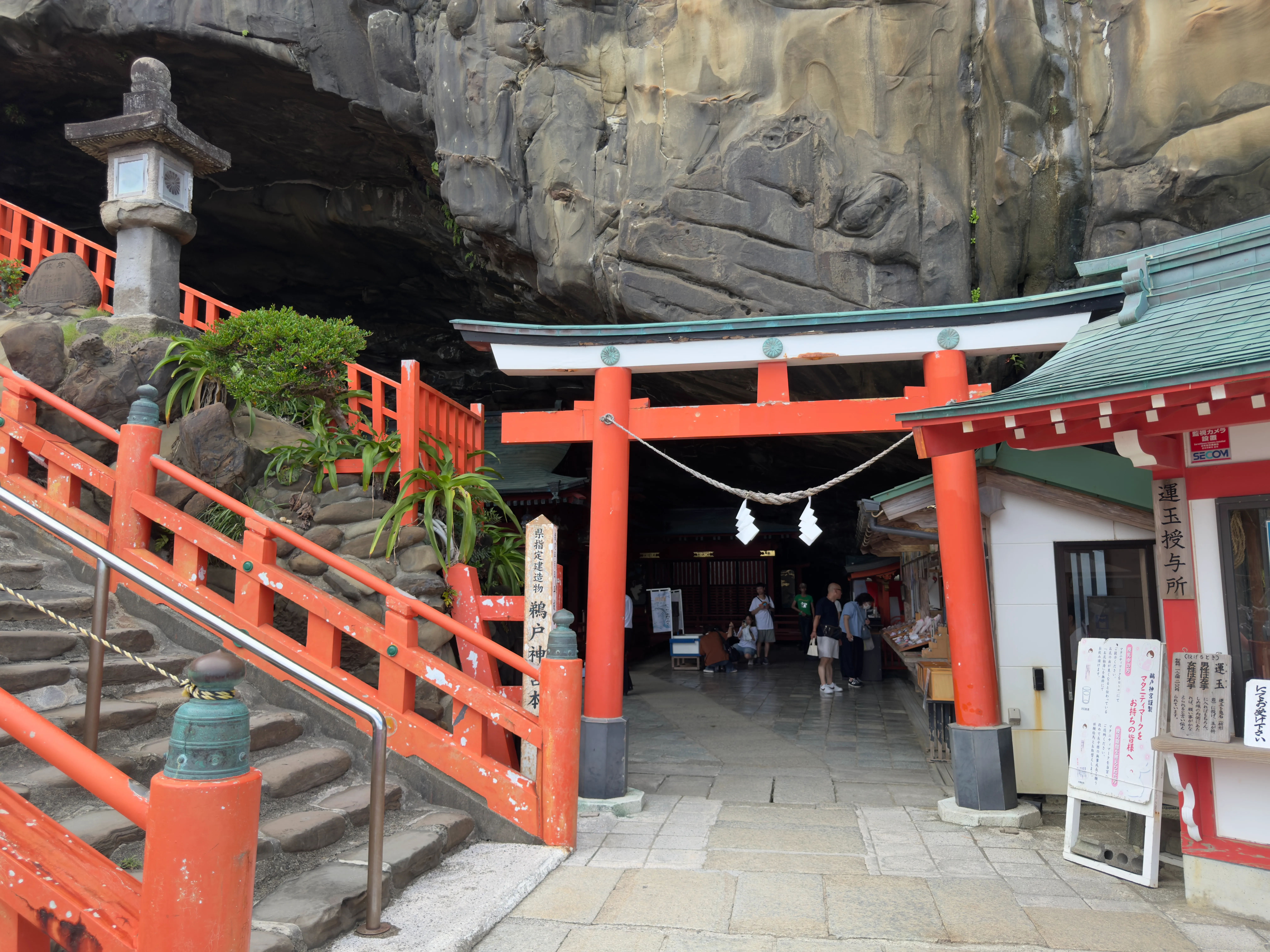
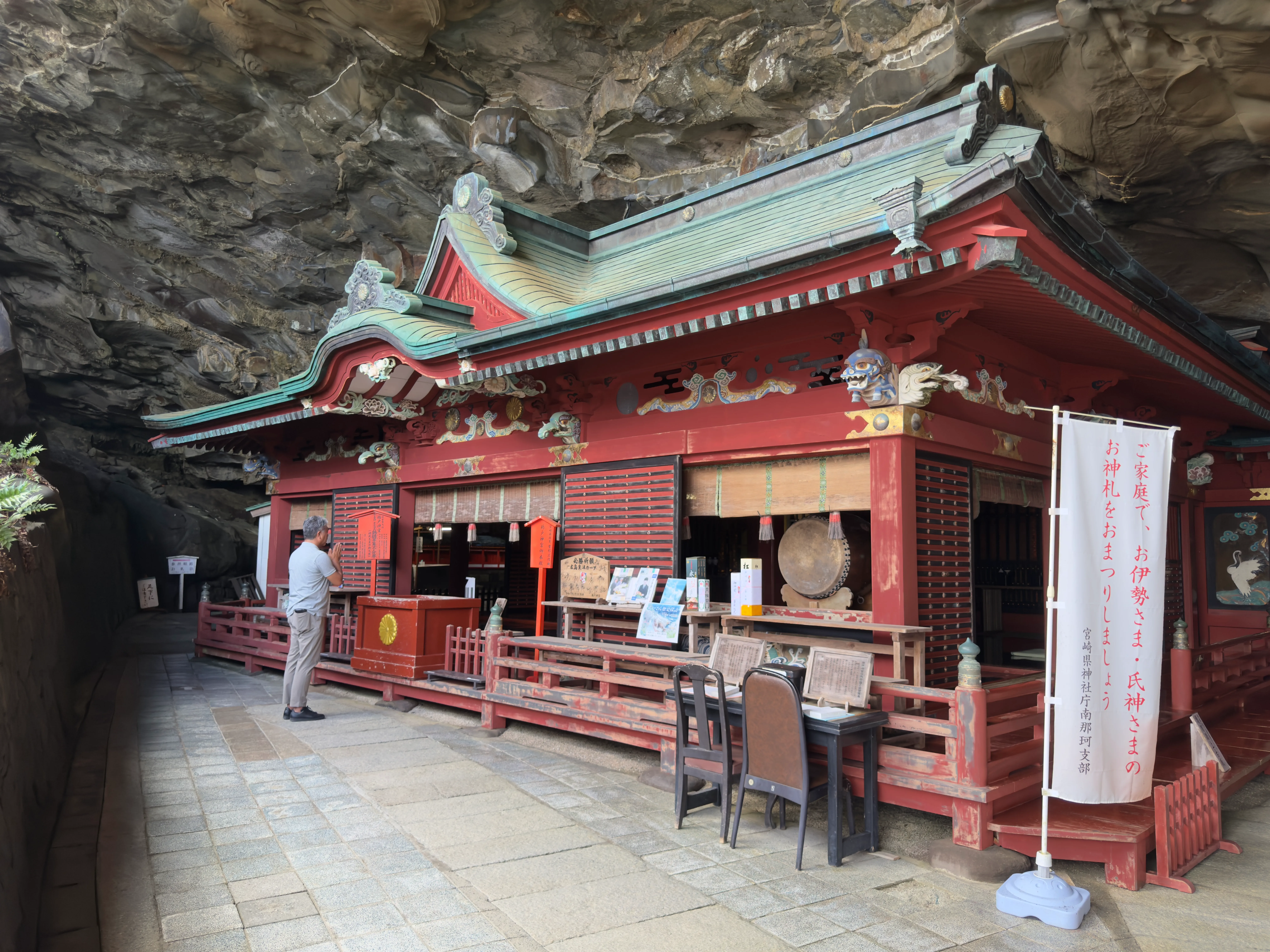
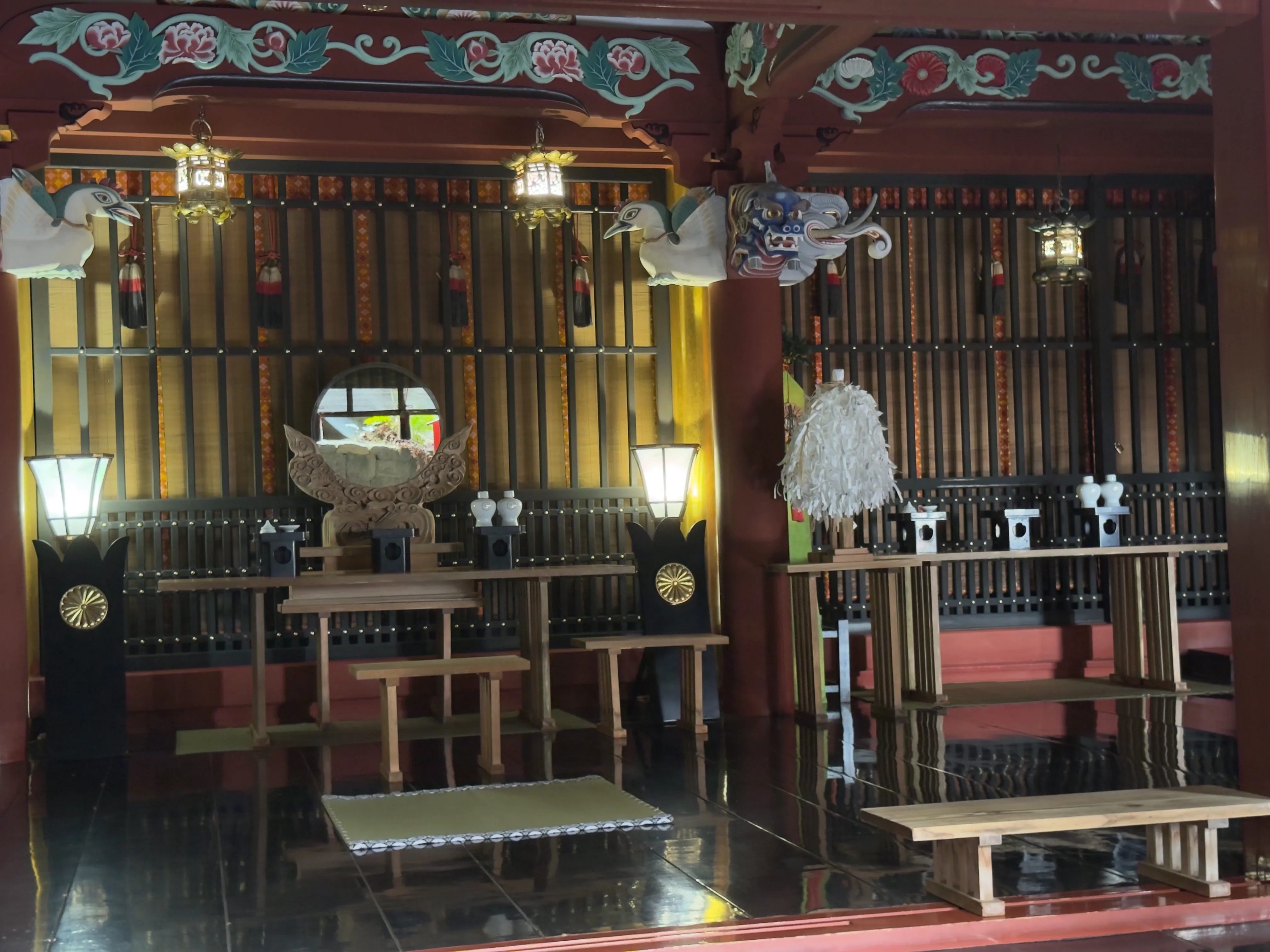
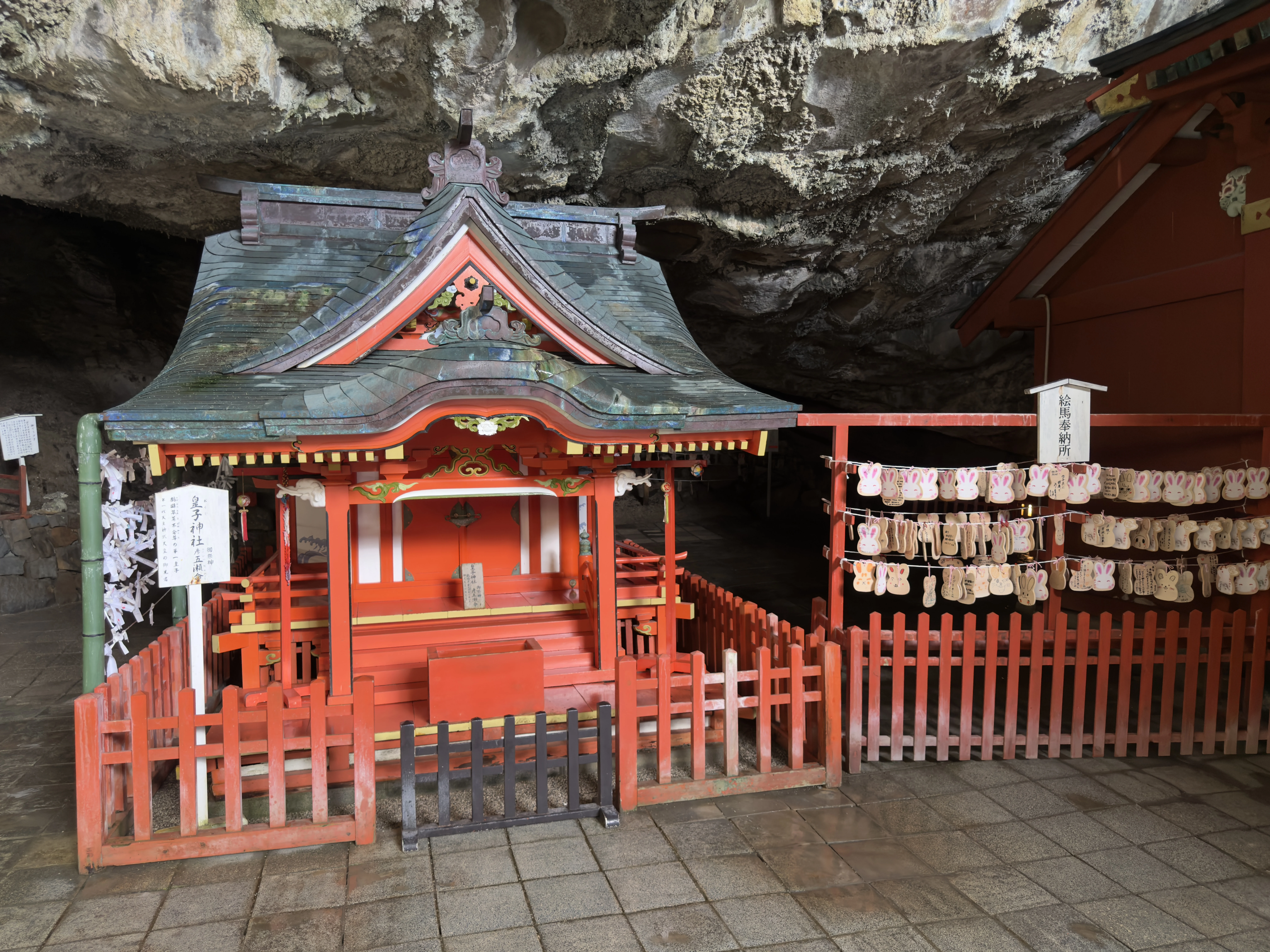
The shrine’s description highlights its rare architectural form. The main hall (honden), painted in vibrant vermilion, is constructed within a large natural sea cave midway up the cliff face. This cave, approximately 1,000 square meters, houses the inner sanctuary overlooking the ocean. Inside are distinctive “breast stones” (ochichi-iwa) from which sacred water drips, alongside other sacred rocks. A stone staircase leads devotees down the cliff to the shrine, enhancing the journey of approach through natural elements.
Mythology centers on imperial origins and sea deities. Udo Jingu marks the legendary birthplace of Ugayafukiaezu no Mikoto (also known as Yamasachihiko or Hoori), father of Emperor Jimmu, Japan’s mythical first emperor. According to the Kojiki and Nihon Shoki, the sea goddess Toyotamahime gave birth here in a hut made of cormorant feathers. Breast-shaped rocks in the cave are said to have nourished the divine child. The shrine also venerates related deities including Amaterasu, Ninigi-no-Mikoto, and others in the imperial lineage, linking it to foundational national myths.
Historically, while the current structures date to the early 18th century (around 1711), the site’s sacred status reaches back much further, tied to ancient veneration of sea and mountain kami. It transitioned fully into Shinto practice following the Meiji-era separation of Shinto and Buddhism, solidifying its role as one of southern Kyushu’s principal shrines.
Its importance as a pilgrimage place arises from its association with fertility, safe childbirth, child-rearing, harmonious marriage, and protection for seafarers. Devotees journey here seeking ancestral blessings and divine favor connected to Japan’s imperial lineage and life-giving forces of the sea, making it a vital center for heartfelt prayers and renewal in regional spiritual life. Major pilgrimage festivals include:
• Reitaisai (Annual Grand Festival): Held on July 26–27, featuring solemn rites, offerings, and communal observances honoring the enshrined deities.
• Shan Shan Medou (Traditional Marriage Blessing Event): Observed annually in March, involving ceremonial processions and prayers for marital harmony, safe pregnancy, and healthy children.

Martin Gray is a cultural anthropologist, writer and photographer specializing in the study of pilgrimage traditions and sacred sites around the world. During a 40 year period he has visited more than 2000 pilgrimage places in 160 countries. The World Pilgrimage Guide at sacredsites.com is the most comprehensive source of information on this subject.