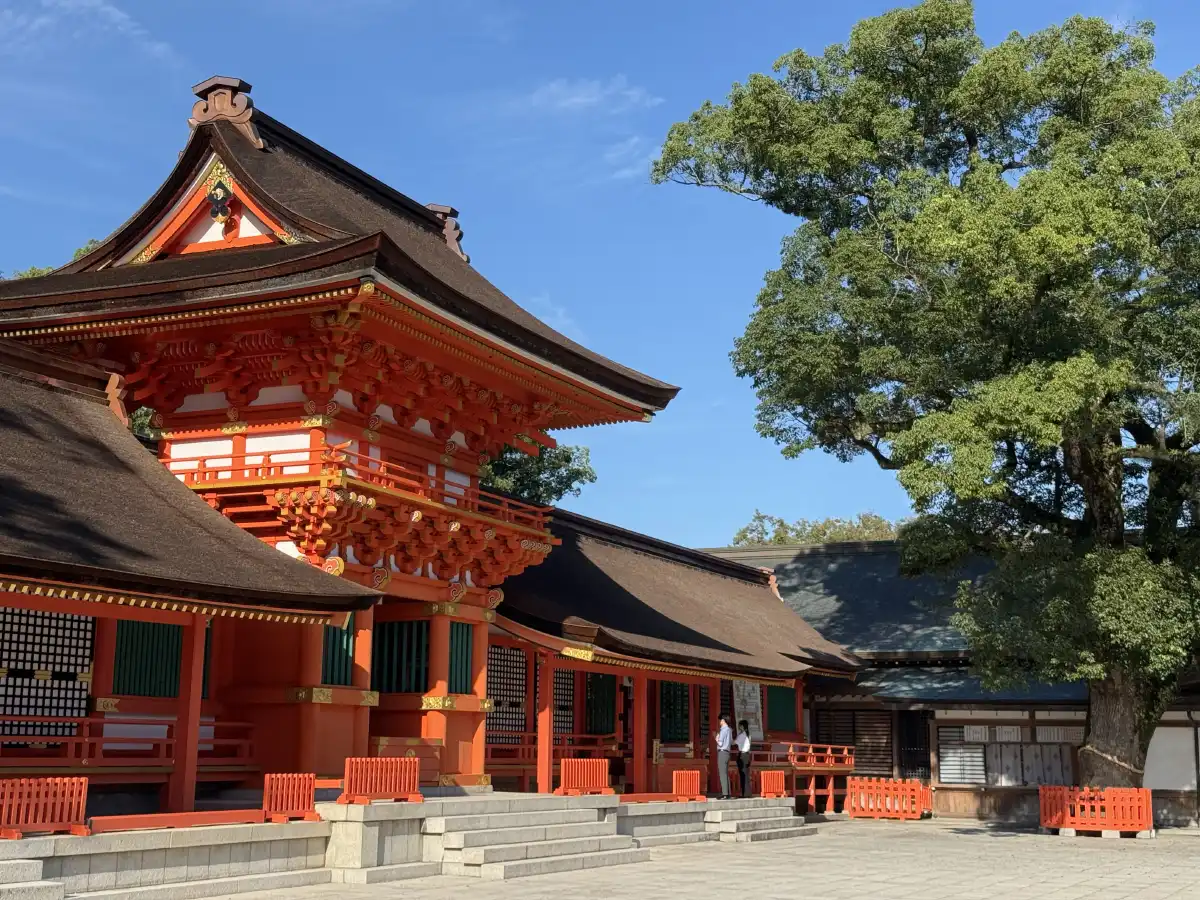
Usa Shinto Shrine, Usa, Kyushu

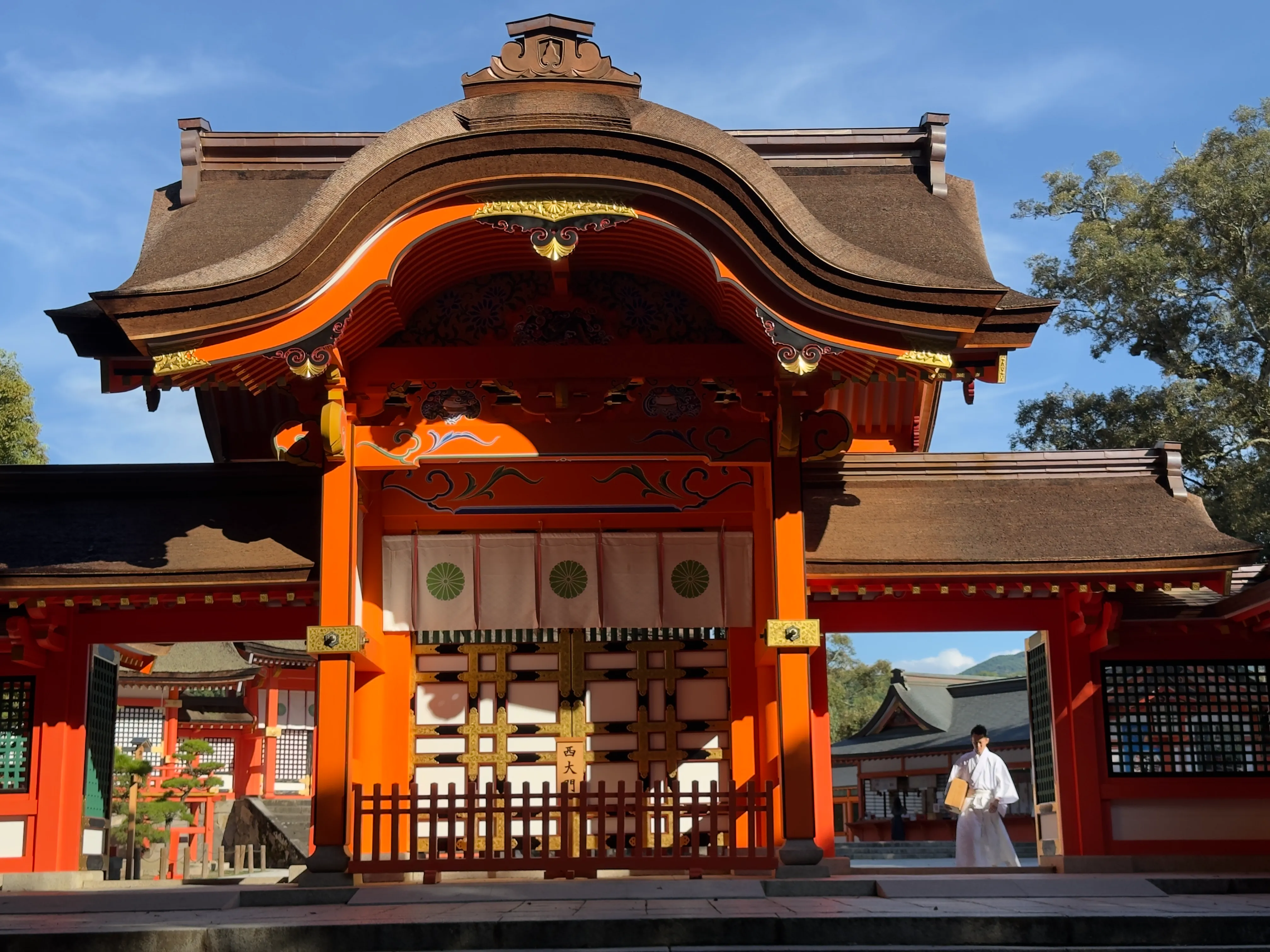
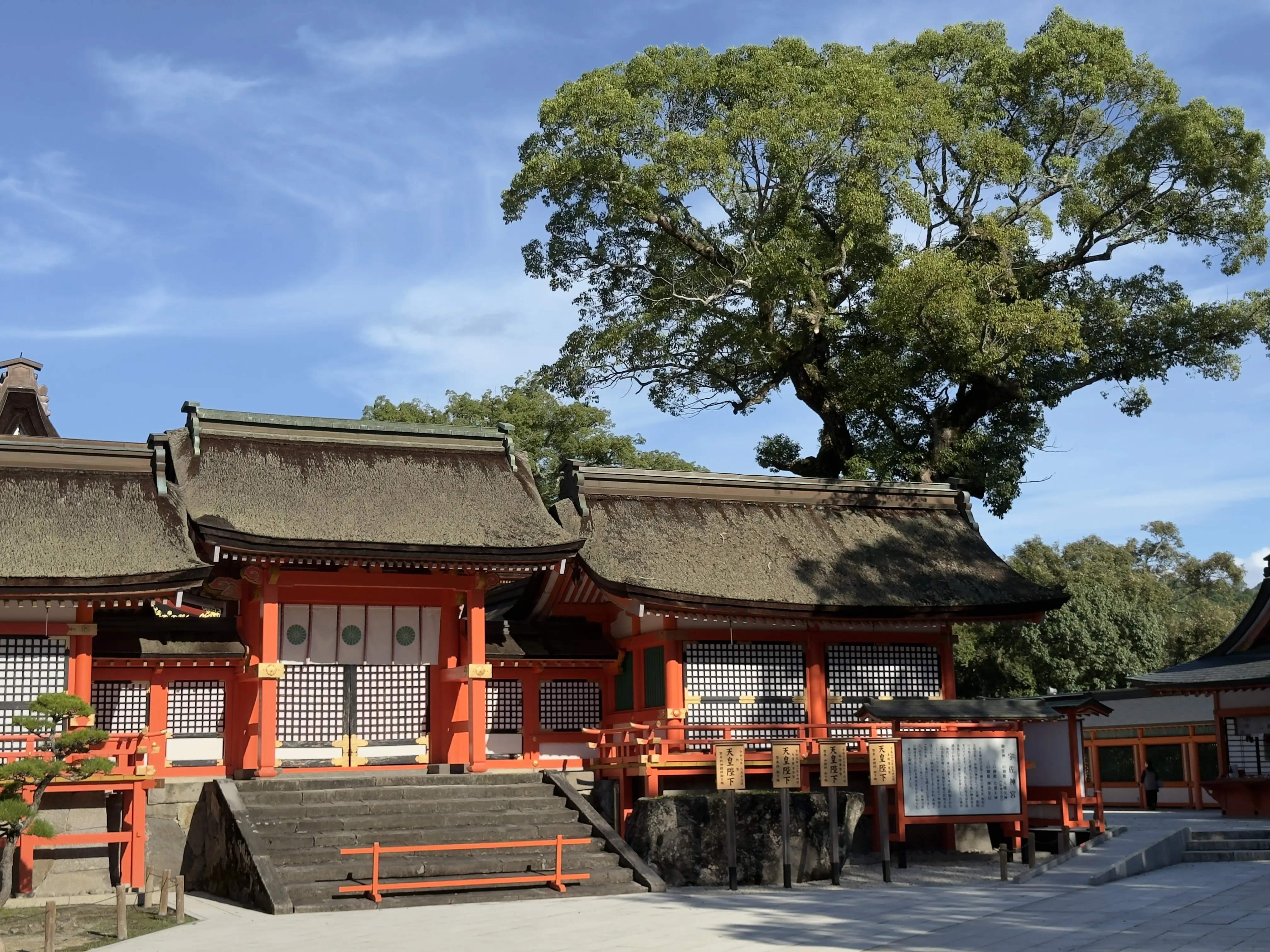
Usa Shinto Shrine on Kyushu Island stands as one of Japan’s most revered spiritual centers. Located in Usa City, Oita Prefecture, at the base of the Kunisaki Peninsula on Kyushu Island, the shrine occupies a serene landscape of forested hills and sacred grounds near Mount Usakame. This positioning at the entrance to the peninsula has long facilitated its role as a focal point for regional devotion.
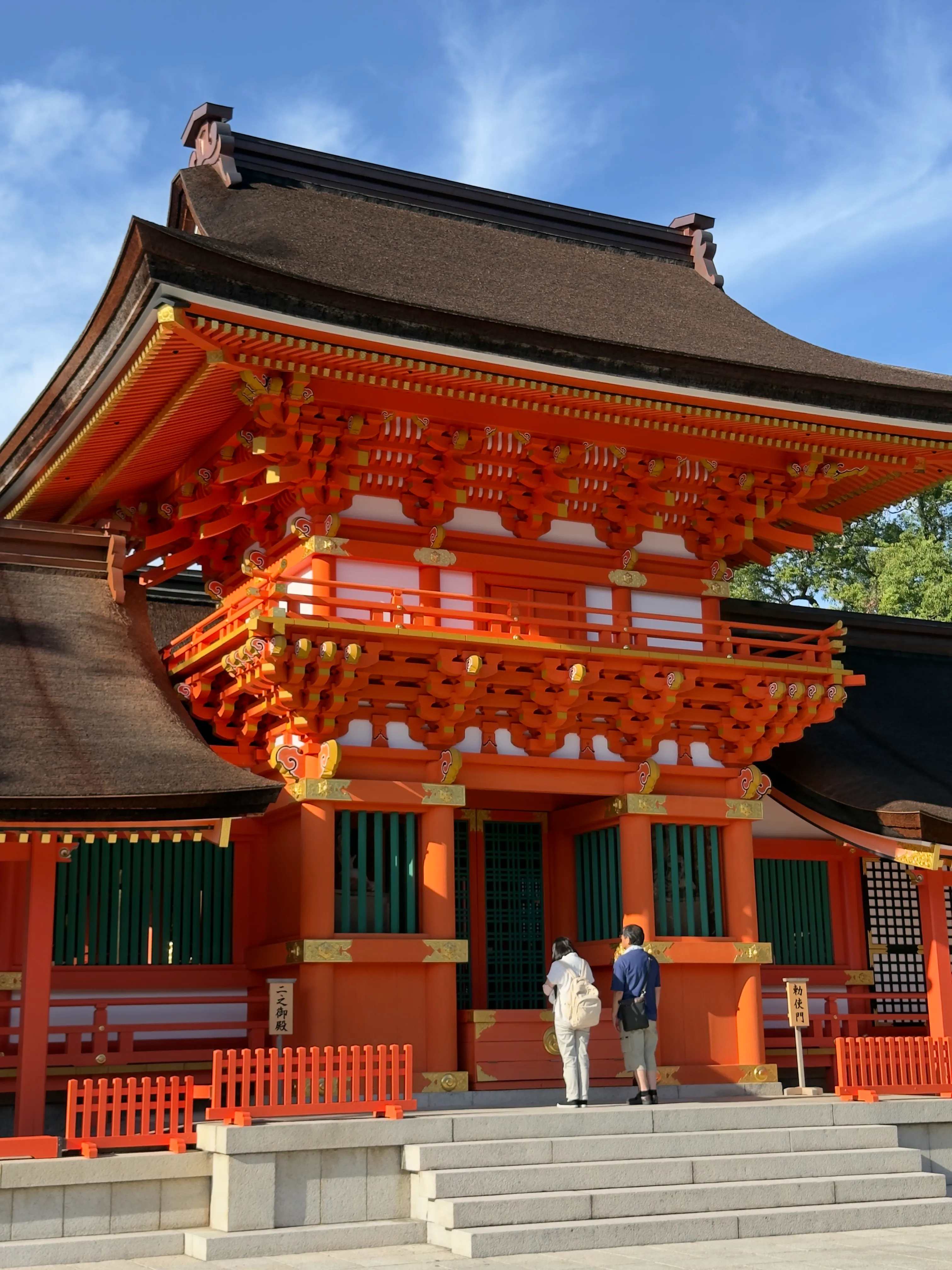
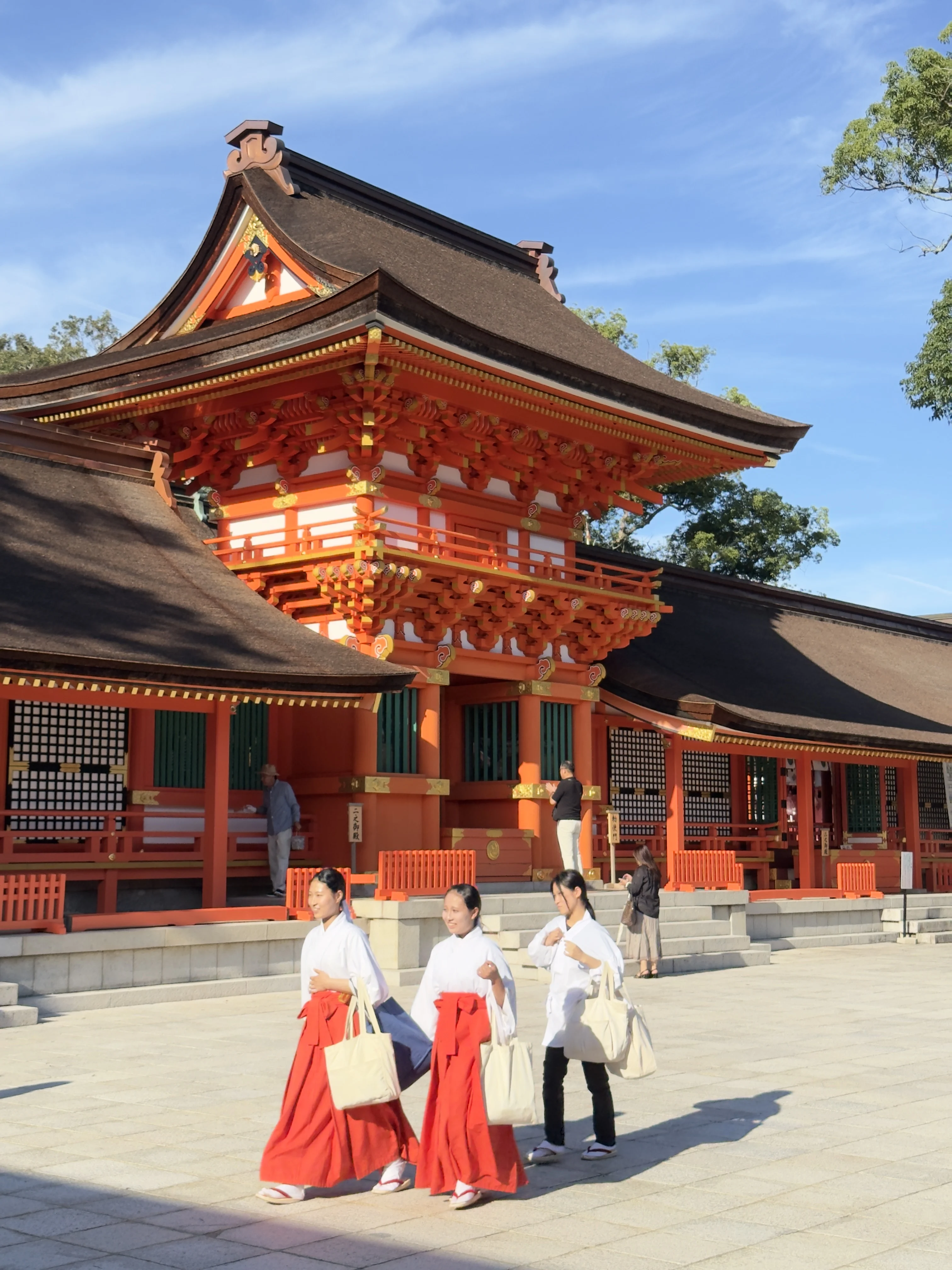
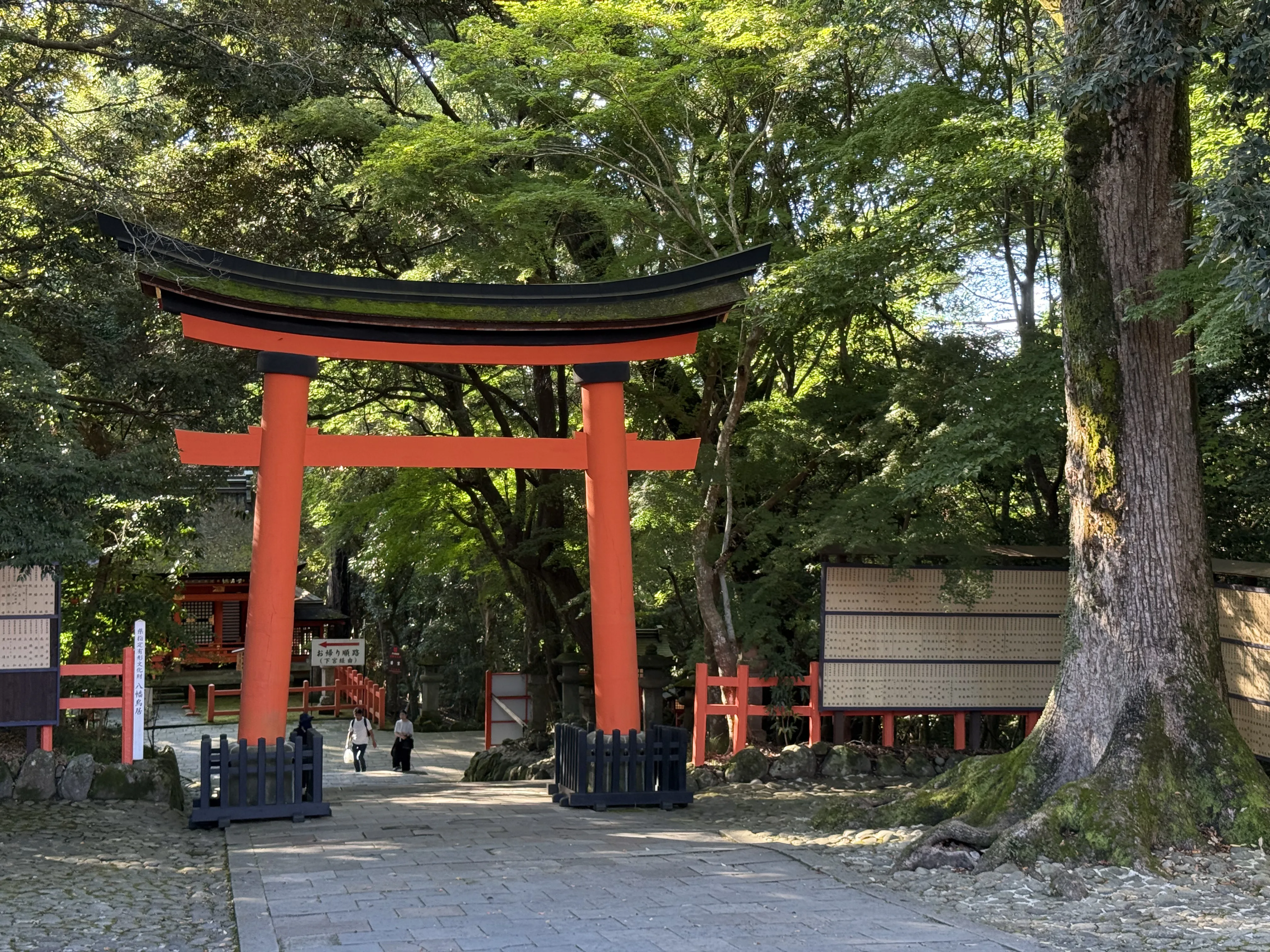
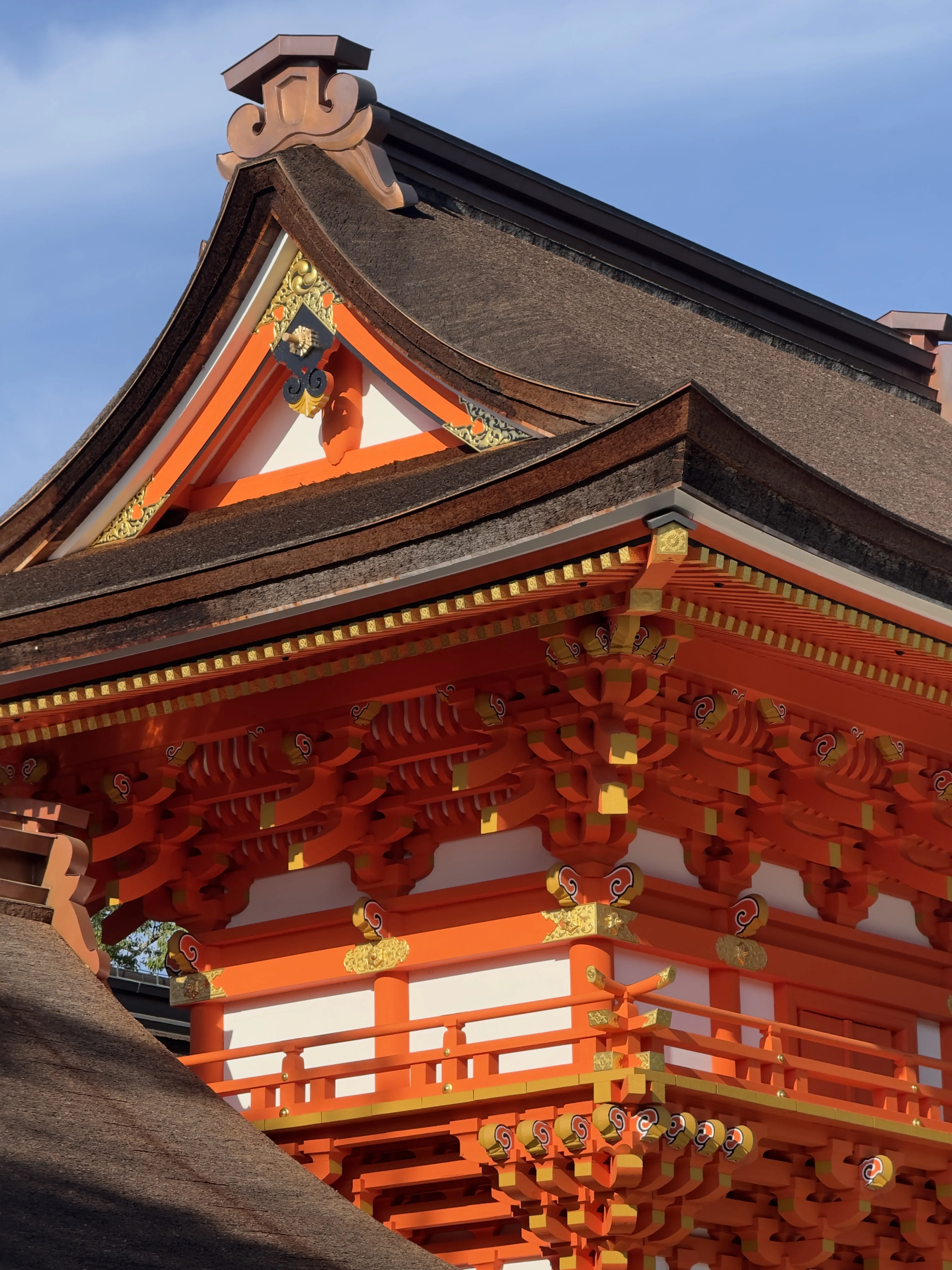
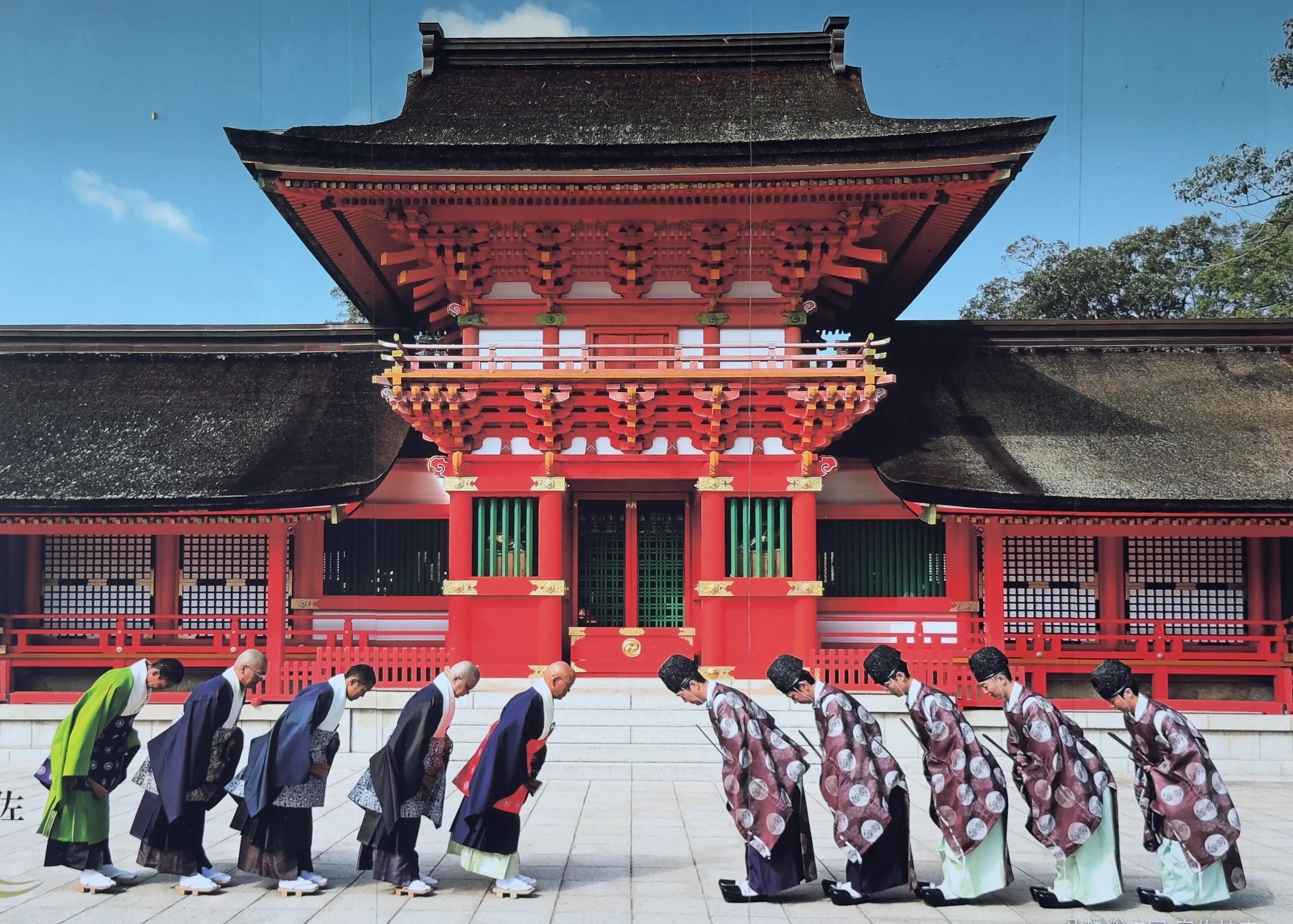
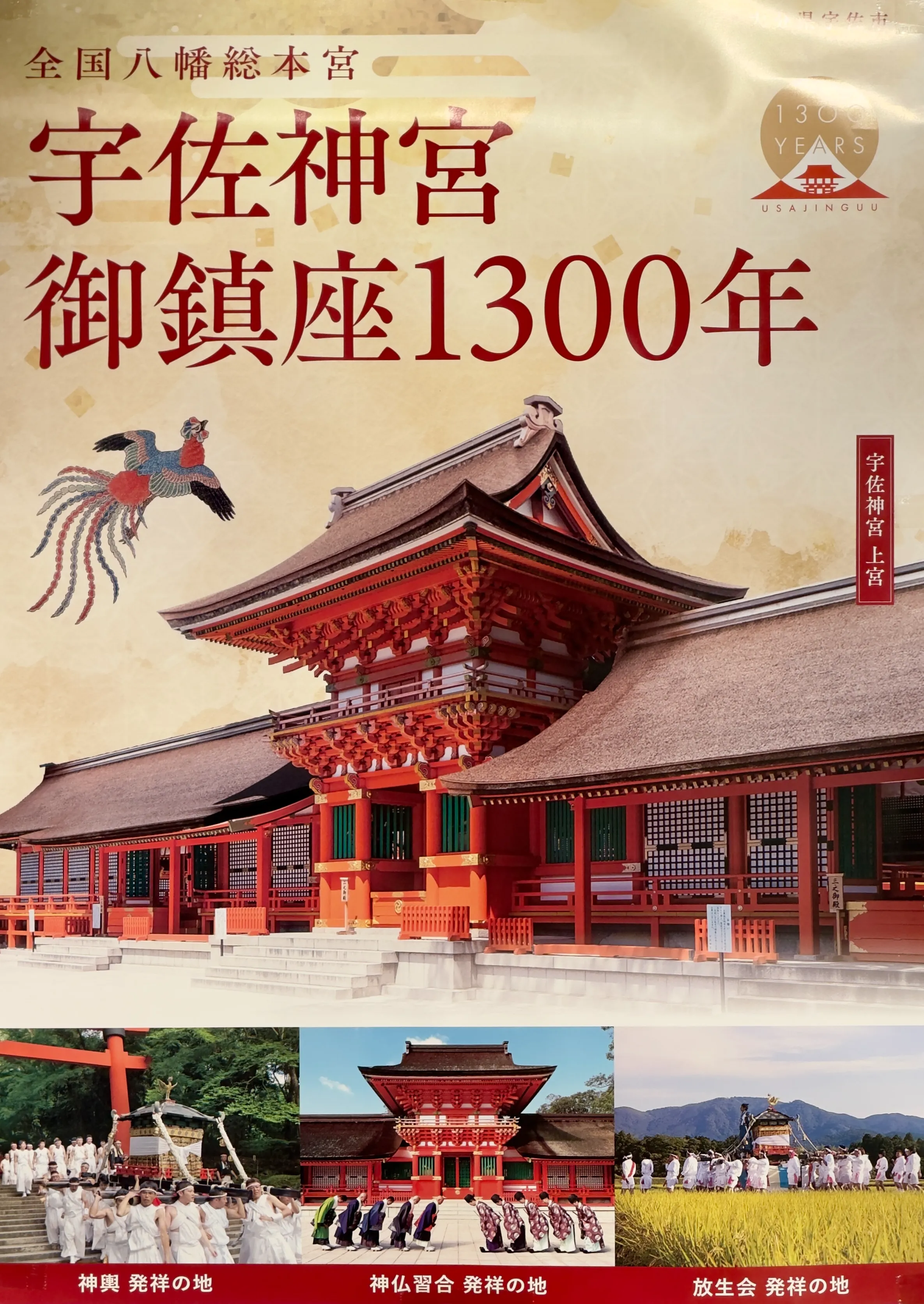
The shrine complex, known formally as Usa Jingu, features distinctive Hachiman-zukuri architecture, characterized by two connected halls forming a single structure, surrounded by covered corridors. The main halls, designated national treasures, enshrine Hachiman (identified with Emperor Ojin), his mother Empress Jingu, and Hime Okami. A notable element is the Kurehashi Bridge, a vermilion structure whose doors open only during special imperial occasions, approximately once every decade. The grounds include multiple shrine buildings, a large pond, and ancient trees, creating a profound atmosphere of sanctity.
Mythology centers on Hachiman, the deity of archery and war, who emerged as a divine protector. Legends describe heavenly banners signaling the birth of Emperor Ojin, later deified as Hachiman. The shrine marks the origin of Hachiman worship, where the kami manifested to safeguard the nation and imperial line. Syncretic elements blending Shinto and early Buddhist influences, including life-release practices, further enriched its spiritual traditions.
Historically, Usa Jingu traces its founding to 725 CE, making it over 1,300 years old. It quickly rose as the head shrine for Hachiman worship, influencing thousands of affiliated shrines nationwide—over 40,000 in total. It received imperial patronage, with envoys dispatched for rituals, and played a key role in early shrine-temple complexes. The site shaped local mountain worship and cultural practices across Kyushu, including the use of portable mikoshi and distinctive architectural styles.
Its importance as a pilgrimage place stems from its status as the paramount Hachiman shrine, second only to Ise in prestige among many devotees. Pilgrims journey here to honor the guardian of Japan and the imperial family, seeking protection, prosperity, and connection to ancestral spirits. The shrine’s role in national rituals underscores its enduring spiritual authority.
Major pilgrimage festivals include:
• Goshinkosai (Great Summer Festival): Held annually from July 31 to August 2, featuring yabusame (horseback archery) and processions.
• Chushusai / Hojoe (Mid-Autumn Festival): A three-day event in mid-October (typically around the second Monday), involving life-release ceremonies and kagura dances to honor the departed and ensure harmony.

Martin Gray is a cultural anthropologist, writer and photographer specializing in the study of pilgrimage traditions and sacred sites around the world. During a 40 year period he has visited more than 2000 pilgrimage places in 160 countries. The World Pilgrimage Guide at sacredsites.com is the most comprehensive source of information on this subject.