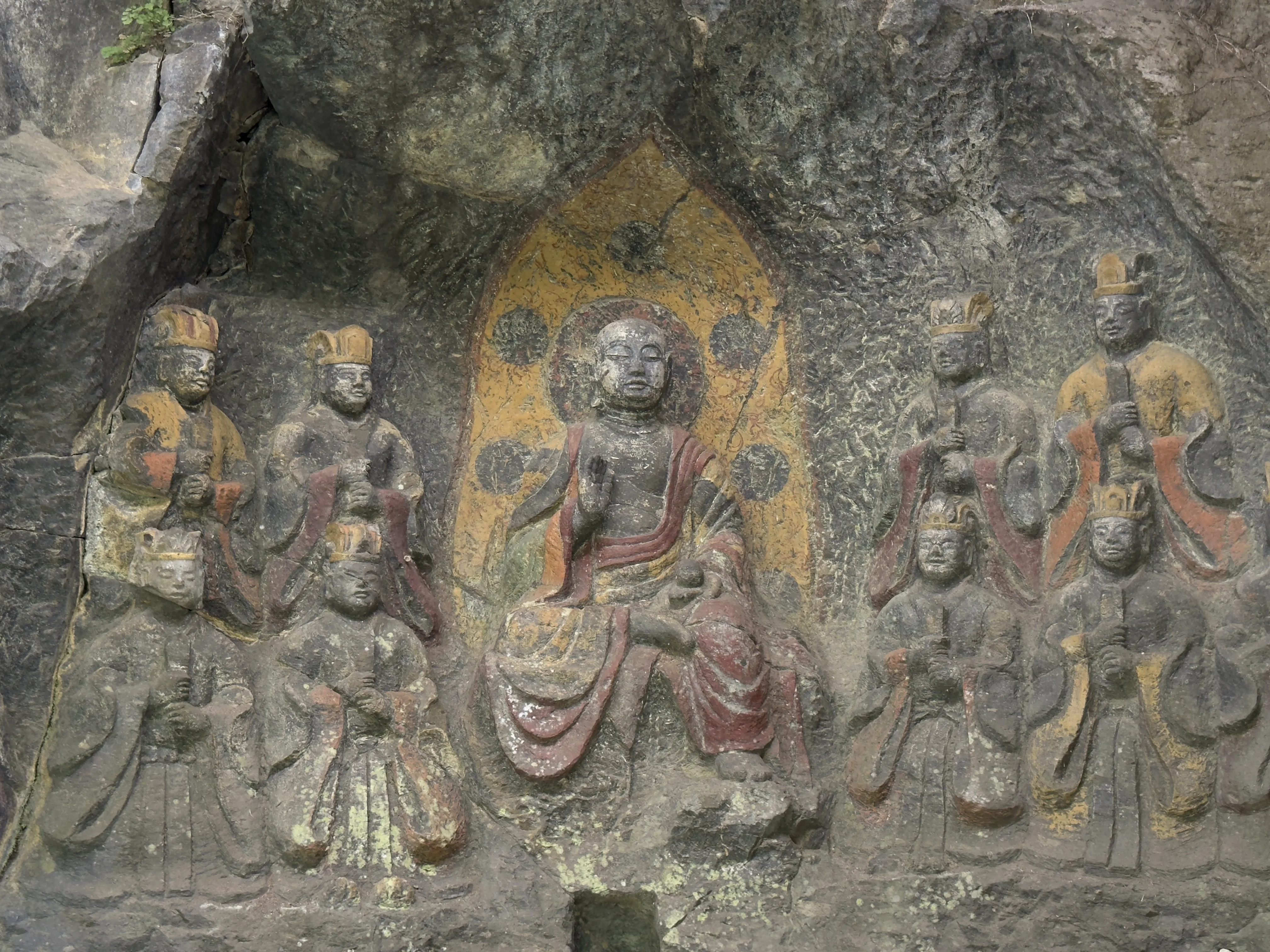
Usuki Stone Buddhas, Usuki, Kyushu

The Usuki Stone Buddhas in Kyushu represent a profound expression of Buddhist devotion carved directly into the landscape. Located in the city of Usuki in Oita Prefecture on the island of Kyushu, the site lies approximately 40 kilometers southeast of Beppu, nestled amid hills and volcanic tuff cliffs formed by ancient eruptions from Mount Aso.
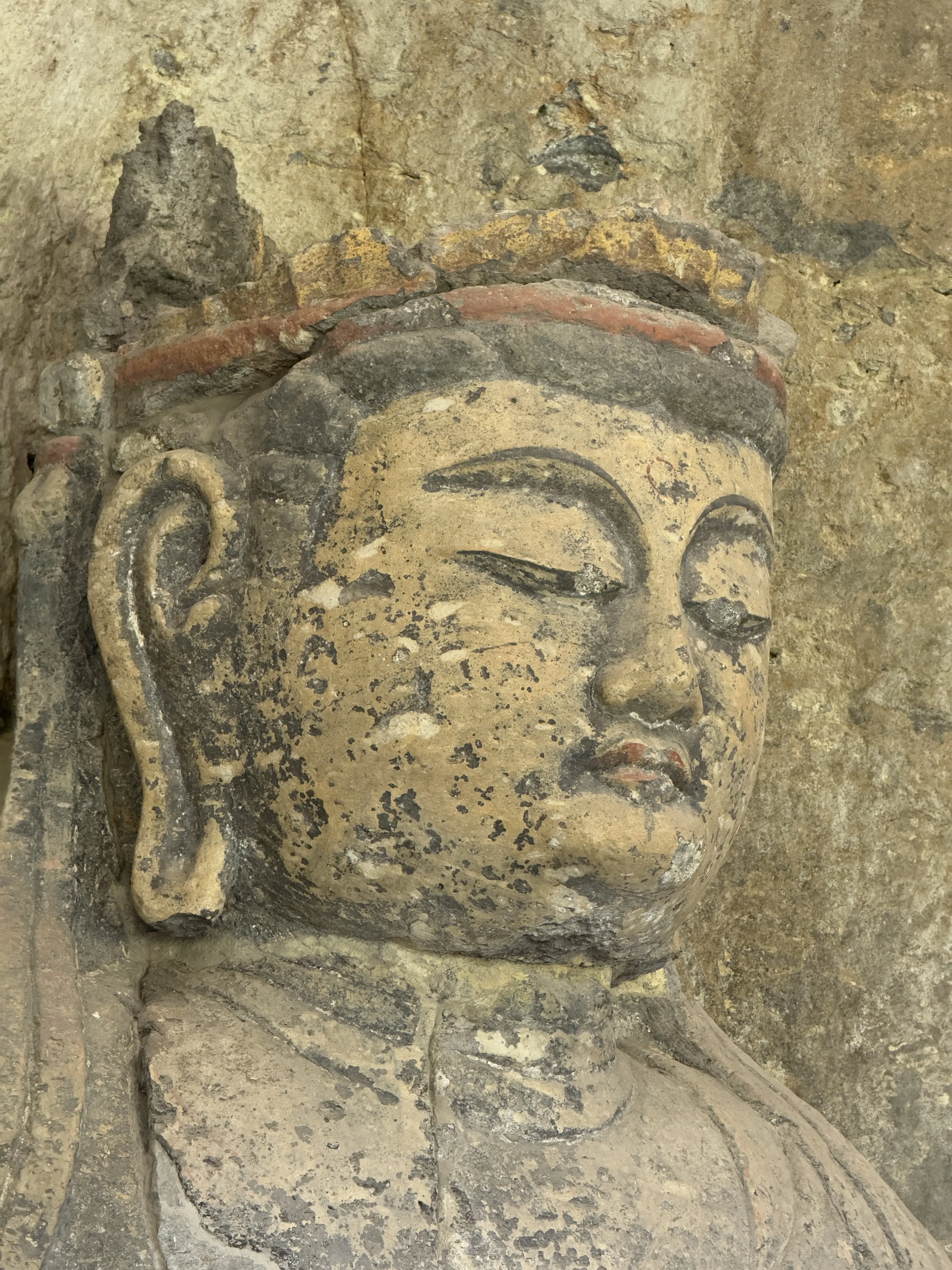
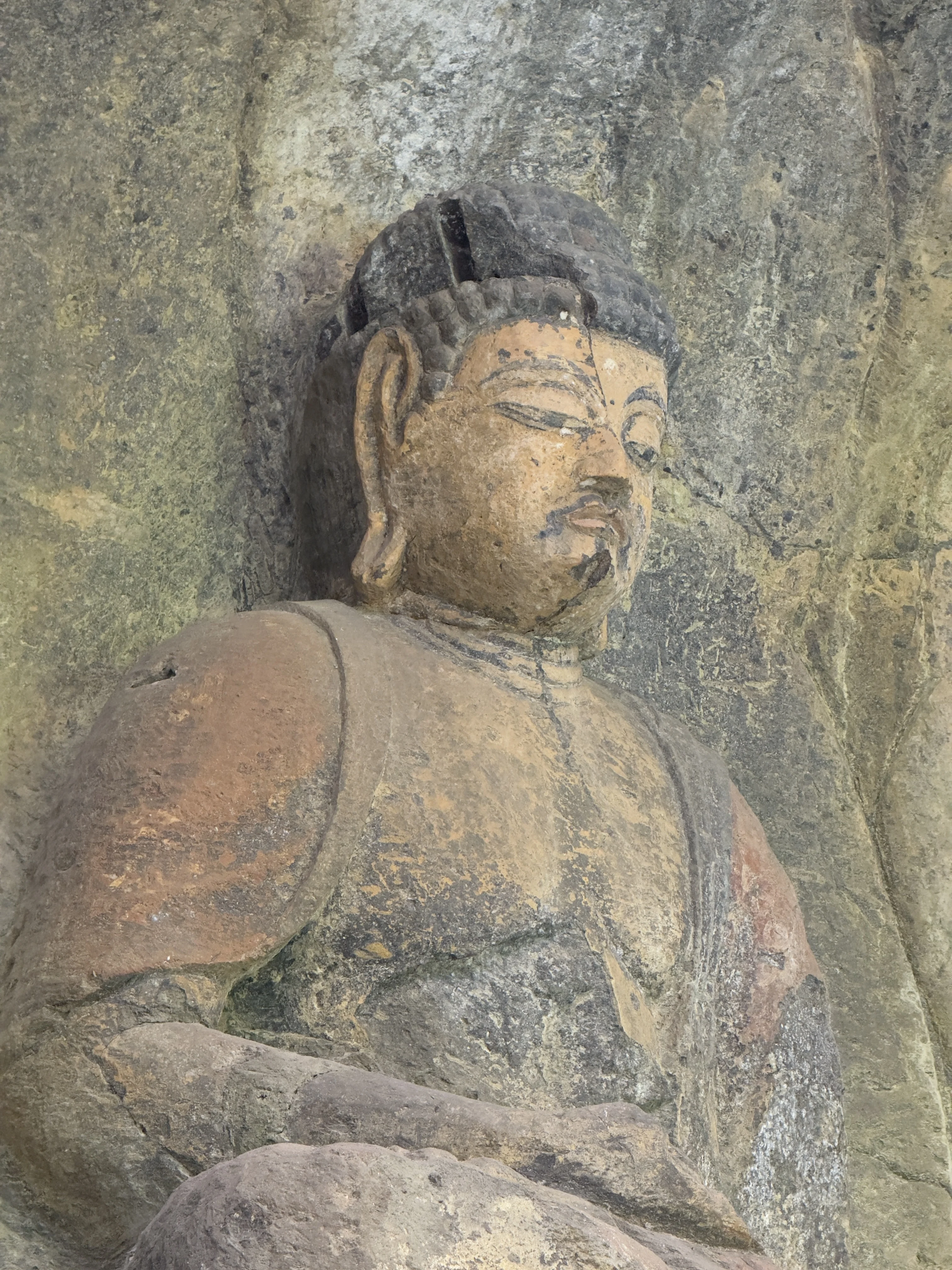
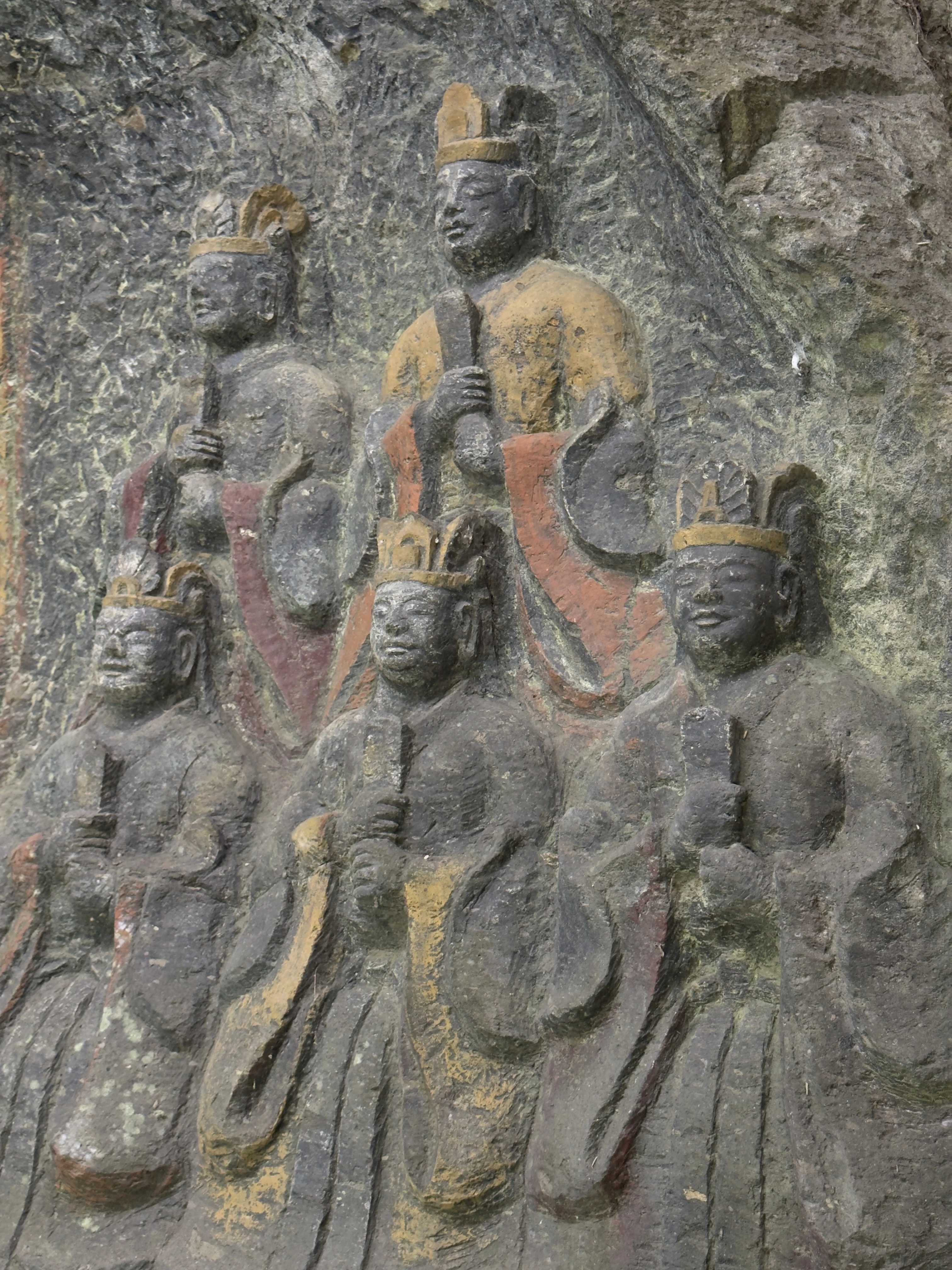
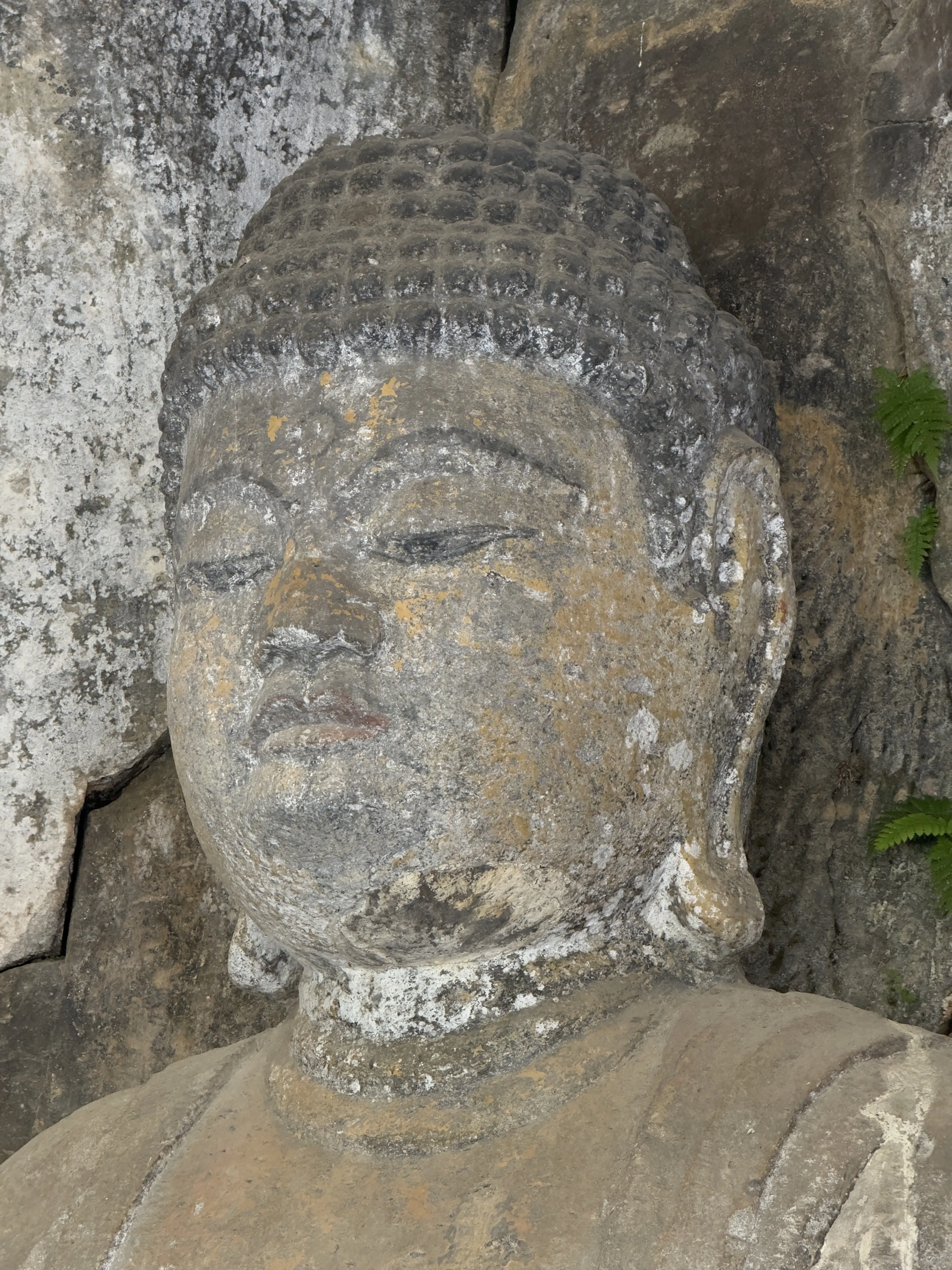
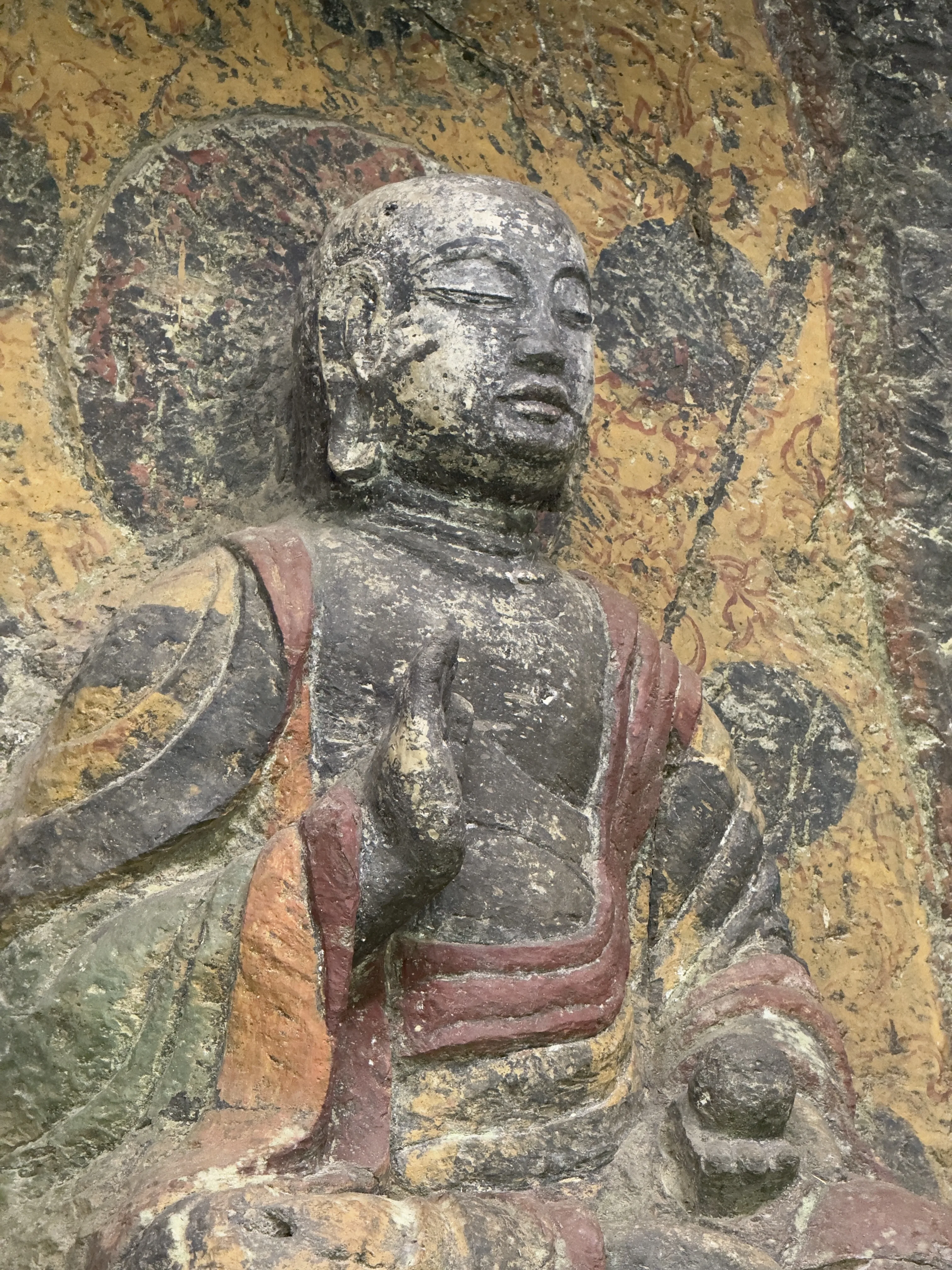
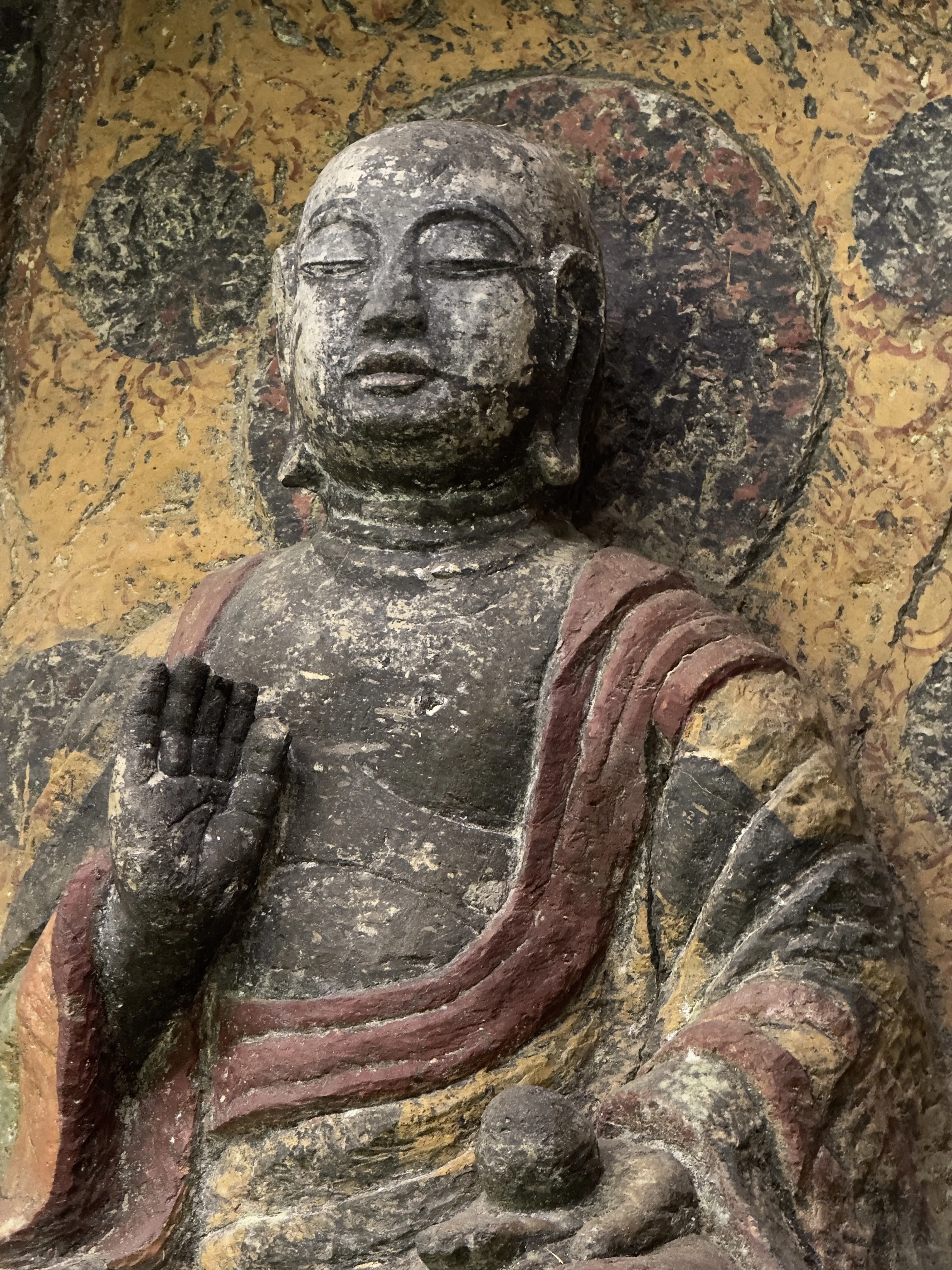
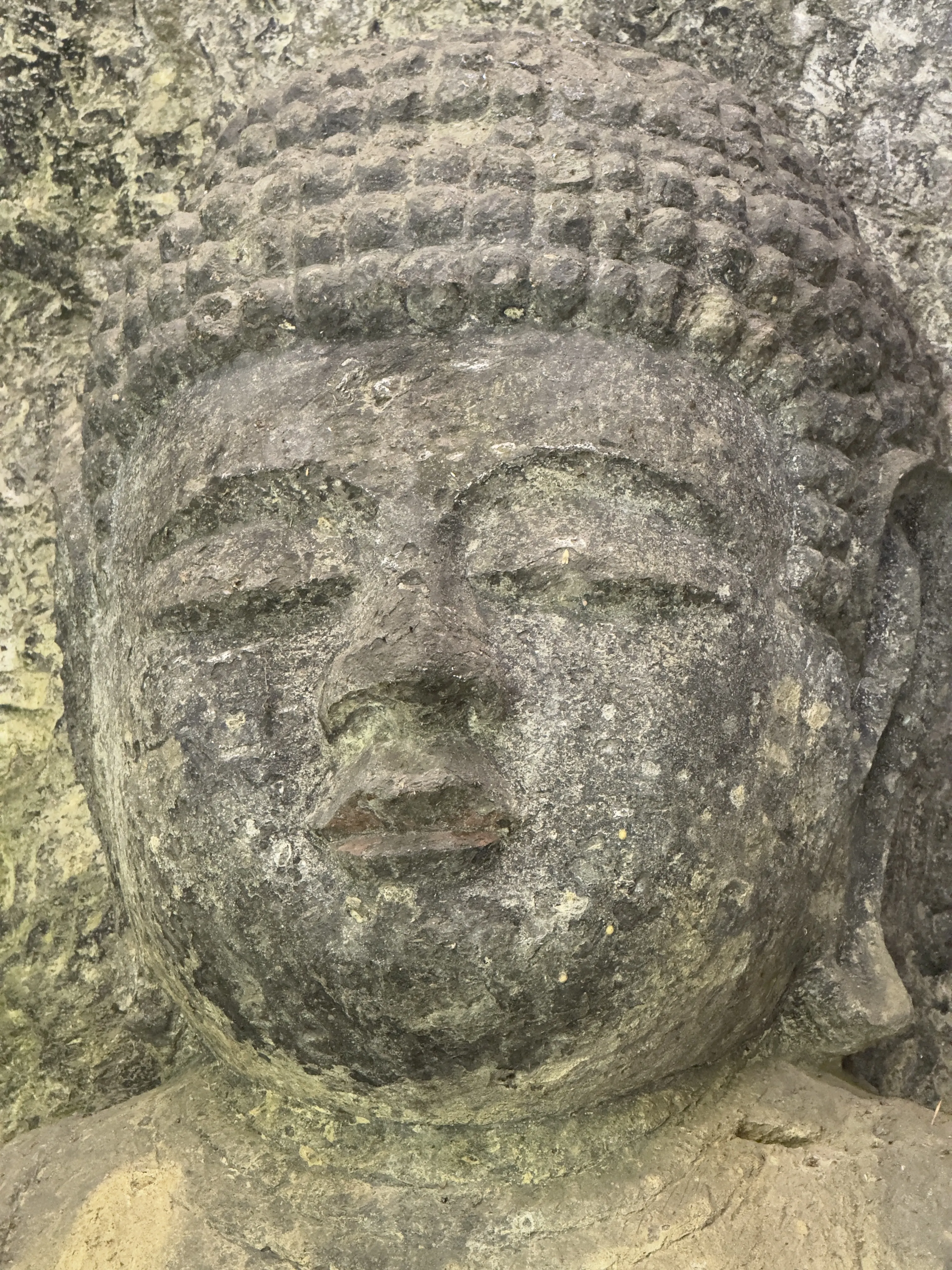
The stone Buddhas, known as Usuki Sekibutsu or magaibutsu, comprise a group of 61 figures carved in bas-relief into natural rock faces. These are divided into four main clusters: the First and Second Hoki groups, the Sanno group, and the prominent Furuzono group featuring majestic Dainichi Nyorai (Cosmic Buddha) and attendant figures. The statues depict various Buddhas, Bodhisattvas, and guardian kings, some retaining traces of original pigment. Protected by overhanging rock and surrounded by forested paths, the carvings exhibit exquisite detail in drapery, expressions, and postures despite exposure to the elements for centuries.
Mythology and legend envelop the site. One prominent tale, the Legend of Manano Chōja (or Sumiyaki Kogōrō), attributes the creation to a local magnate who commissioned the statues in the 6th century to mourn his deceased daughter, invoking Emperor Yōmei’s era. Another tradition links them to the monk Renjo-hoshi, who is said to have carved the figures as acts of profound faith.
Historically, scholars date the carvings primarily to the late Heian period (794–1185) through the Kamakura period (1185–1333), a time when Buddhist stone carving techniques flourished in the region, possibly under the patronage of local clans like the Oga. The statues endured as enduring emblems of faith. In 1952, the site gained recognition as a Special National Historic Site, with 59 figures elevated to National Treasure status in 1995—the first such designation for rock-carved Buddhas in Japan.
As a pilgrimage place, the Usuki Stone Buddhas hold deep significance for devotees seeking spiritual solace, merit accumulation, and connection to Buddhist teachings of impermanence and enlightenment. The immovable nature of the cliff carvings symbolizes steadfast dharma, drawing pilgrims who offer prayers amid the serene natural setting for protection, ancestral remembrance, and inner peace. The site integrates into broader Kyushu Buddhist circuits, reinforcing its role in living devotional practice. Major pilgrimage festivals include:
• Usuki Stone Buddha Fire Festival: Late August (typically around August 30), featuring torchlight illuminations, prayers for harvest, and pest control rites honoring the statues.
• Year-End Memorial Service: December 31, with drum ceremonies, dances, and torch offerings for good fortune and remembrance.

Martin Gray is a cultural anthropologist, writer and photographer specializing in the study of pilgrimage traditions and sacred sites around the world. During a 40 year period he has visited more than 2000 pilgrimage places in 160 countries. The World Pilgrimage Guide at sacredsites.com is the most comprehensive source of information on this subject.