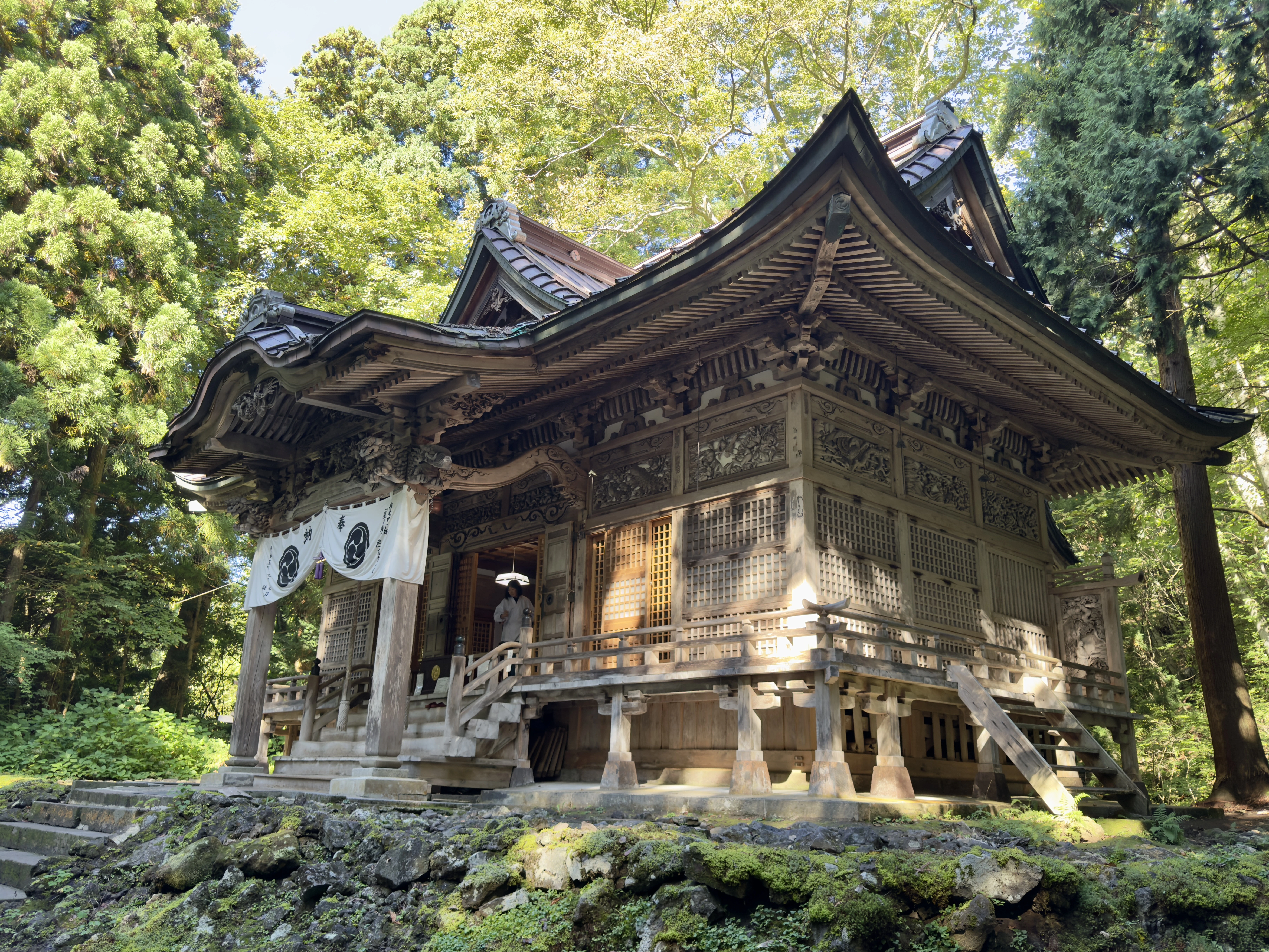
Towada Jinja Shinto Shrine, Honshu

Towada Jinja Shinto Shrine in Honshu holds a profound place in the spiritual traditions of northern Japan. Located on the Nakayama Peninsula along the shores of Lake Towada in Aomori Prefecture, the shrine sits within a dense forest of ancient cedar trees on Honshu’s northern reaches. This serene lakeside setting, surrounded by volcanic mountains and pristine waters, positions it as a natural sanctuary deeply integrated with the landscape.
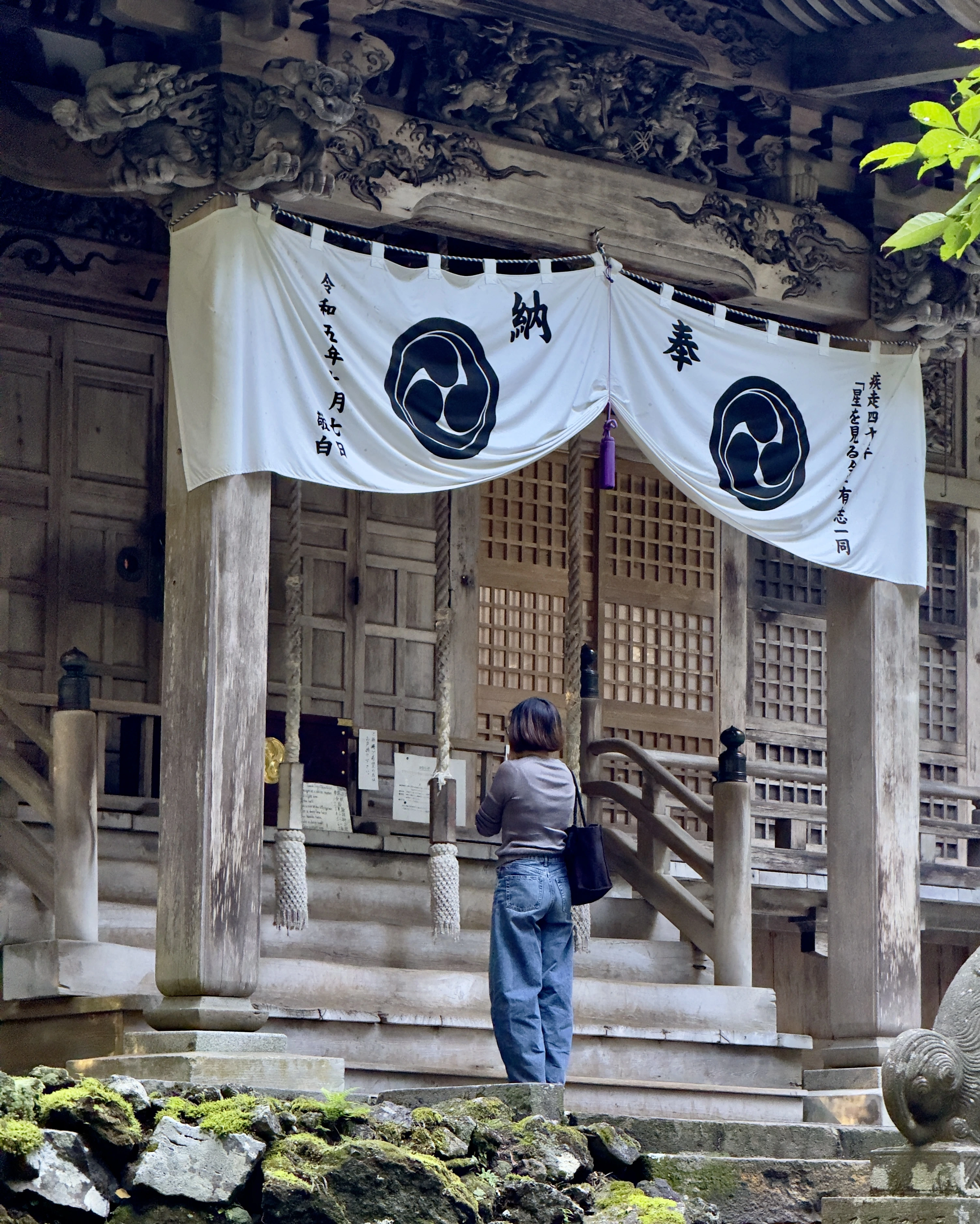
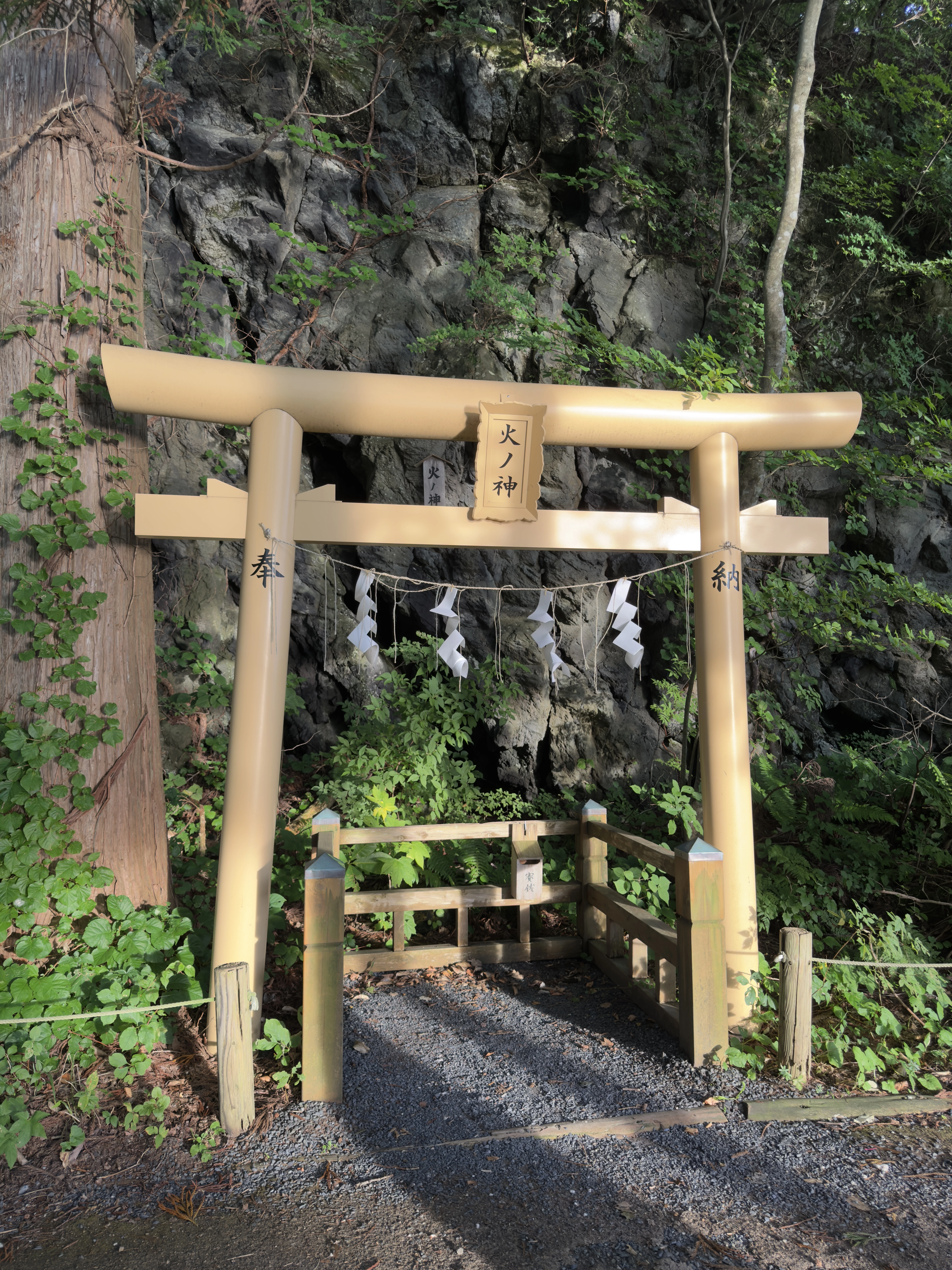
The shrine complex features traditional Shinto architecture, including a worship hall (haiden) leading to a smaller main hall (honden) nestled deeper in the woods. A notable path, lined with towering cedars known historically as Suginamiki, guides devotees through the sacred grove, evoking a sense of purification and connection to the kami. The grounds emphasize simplicity and harmony with nature, characteristic of many regional shrines.
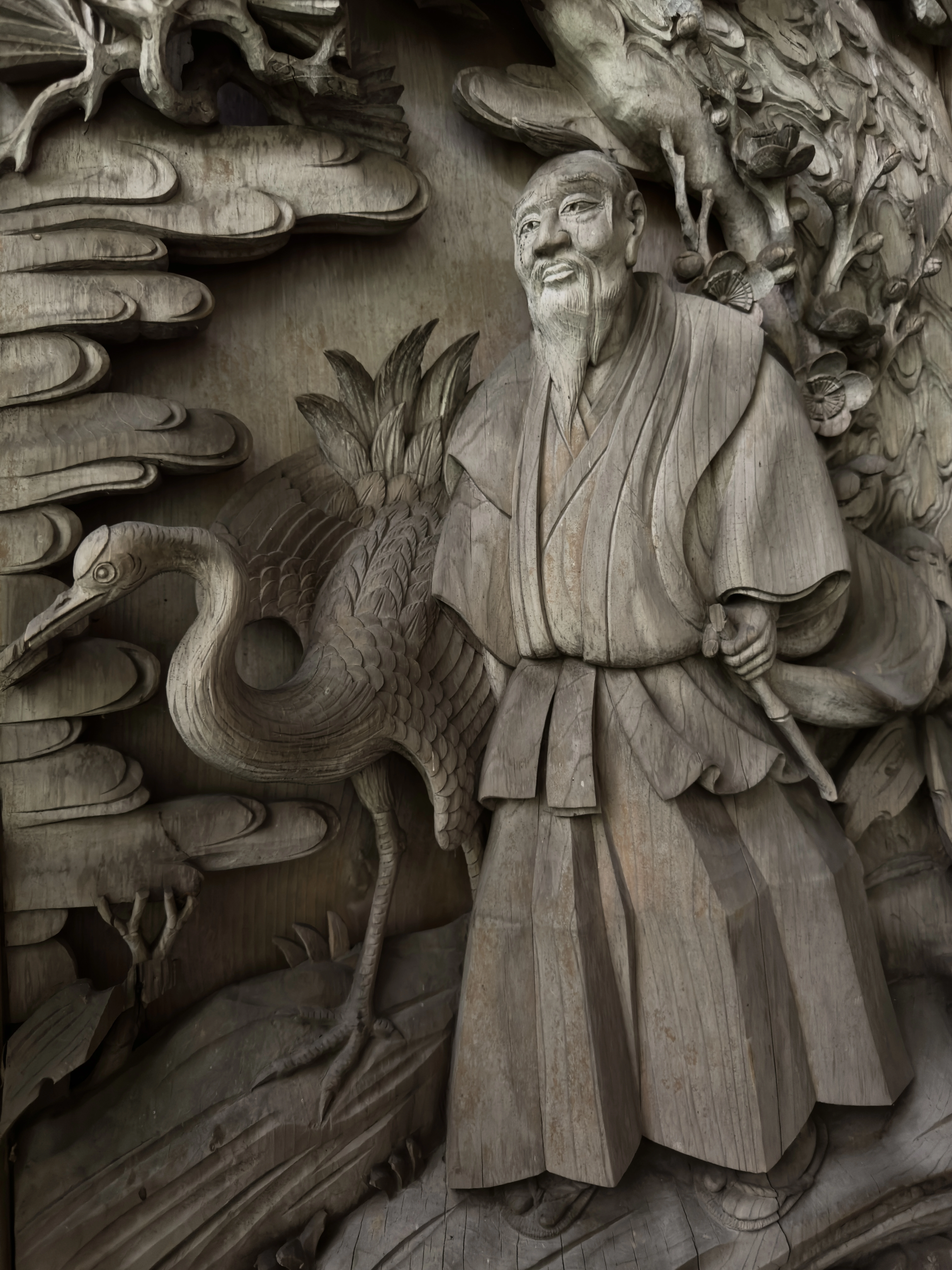
Mythology revolves around water deities and legendary figures. Originally associated with Seiryu Daigongen, the Azure Dragon, legends tell of a monk named Nansobo who confronted a serpent in Lake Towada, subduing it and becoming enshrined as the dragon god. The primary deity today is Yamato Takeru no Mikoto, the legendary prince and son of Emperor Keiko, symbolizing martial prowess and national protection. Syncretic elements from Shinto-Buddhist traditions enriched these beliefs, portraying the lake as a sacred realm inhabited by powerful spirits.
Historically, Towada Jinja traces its origins to 807 CE during the early Heian period, with founding attributed to Sakanoue no Tamuramaro. It served as a center for ascetic practices and water god veneration in the Tohoku region. Until the Meiji-era separation of Shinto and Buddhism, it operated as Towada Seiryu Gongen, flourishing alongside sites like Osorezan as one of the area’s premier spiritual centers. Post-separation, it was reestablished firmly in Shinto tradition while retaining its deep cultural resonance.
Its importance as a pilgrimage place derives from its status as a guardian shrine of Lake Towada and a power spot for spiritual renewal. Devotees undertake journeys here to honor ancestral spirits, seek protection, and commune with water kami, reinforcing communal bonds and harmony with nature in the northern spiritual landscape. Major pilgrimage festivals include seasonal observances tied to the natural cycle:
• Reitaisai (Annual Grand Festival): Typically held in late spring or early summer (around May-June), featuring sacred rites, offerings, and processions honoring Yamato Takeru.
• Autumn Thanksgiving Festival: Observed in October, involving harvest gratitude rituals, kagura performances, and prayers for continued prosperity and protection from the lake’s deities.

Martin Gray is a cultural anthropologist, writer and photographer specializing in the study of pilgrimage traditions and sacred sites around the world. During a 40 year period he has visited more than 2000 pilgrimage places in 160 countries. The World Pilgrimage Guide at sacredsites.com is the most comprehensive source of information on this subject.