Amanoiwato Shinto Shrine, Miyazaki

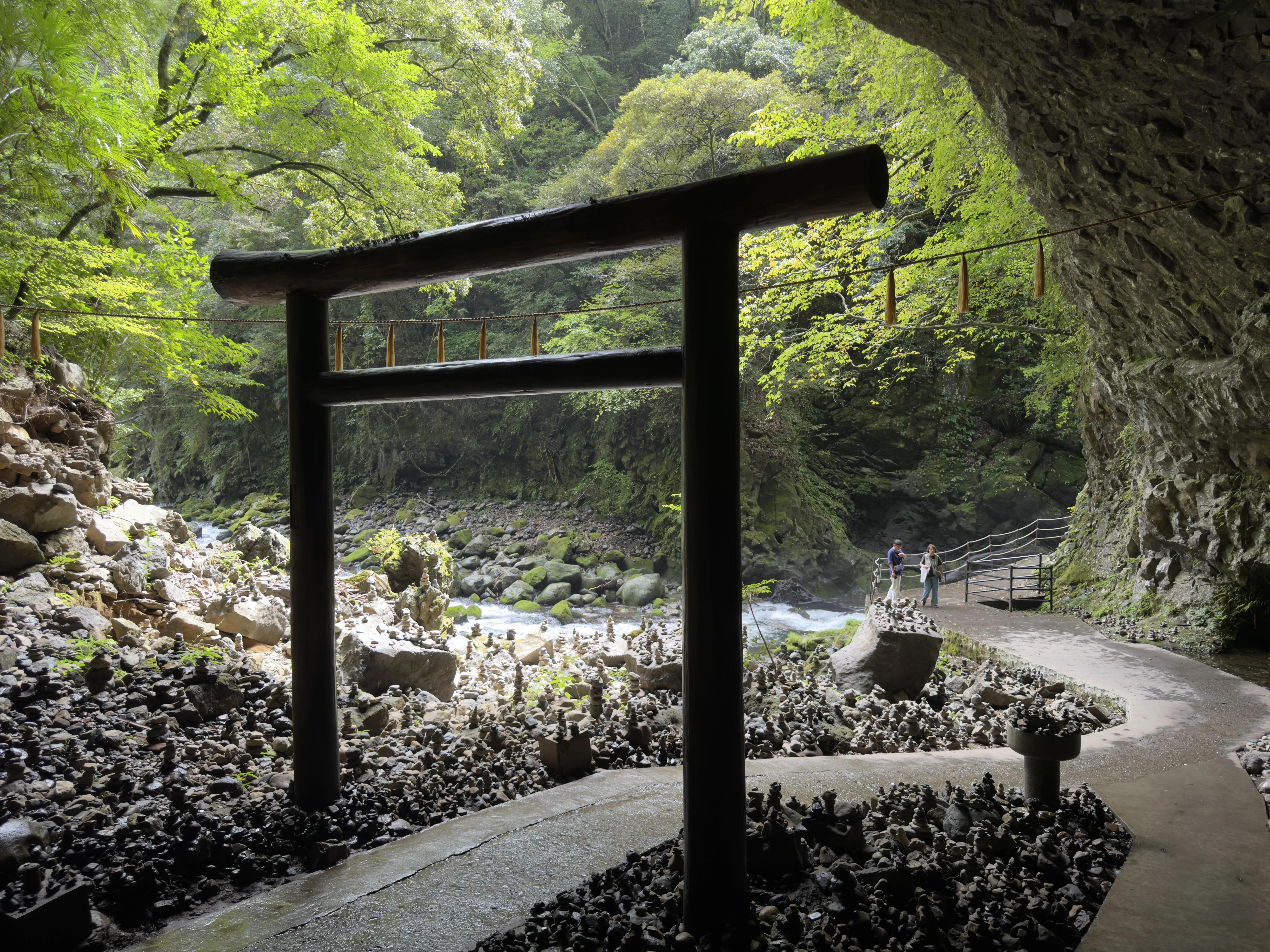
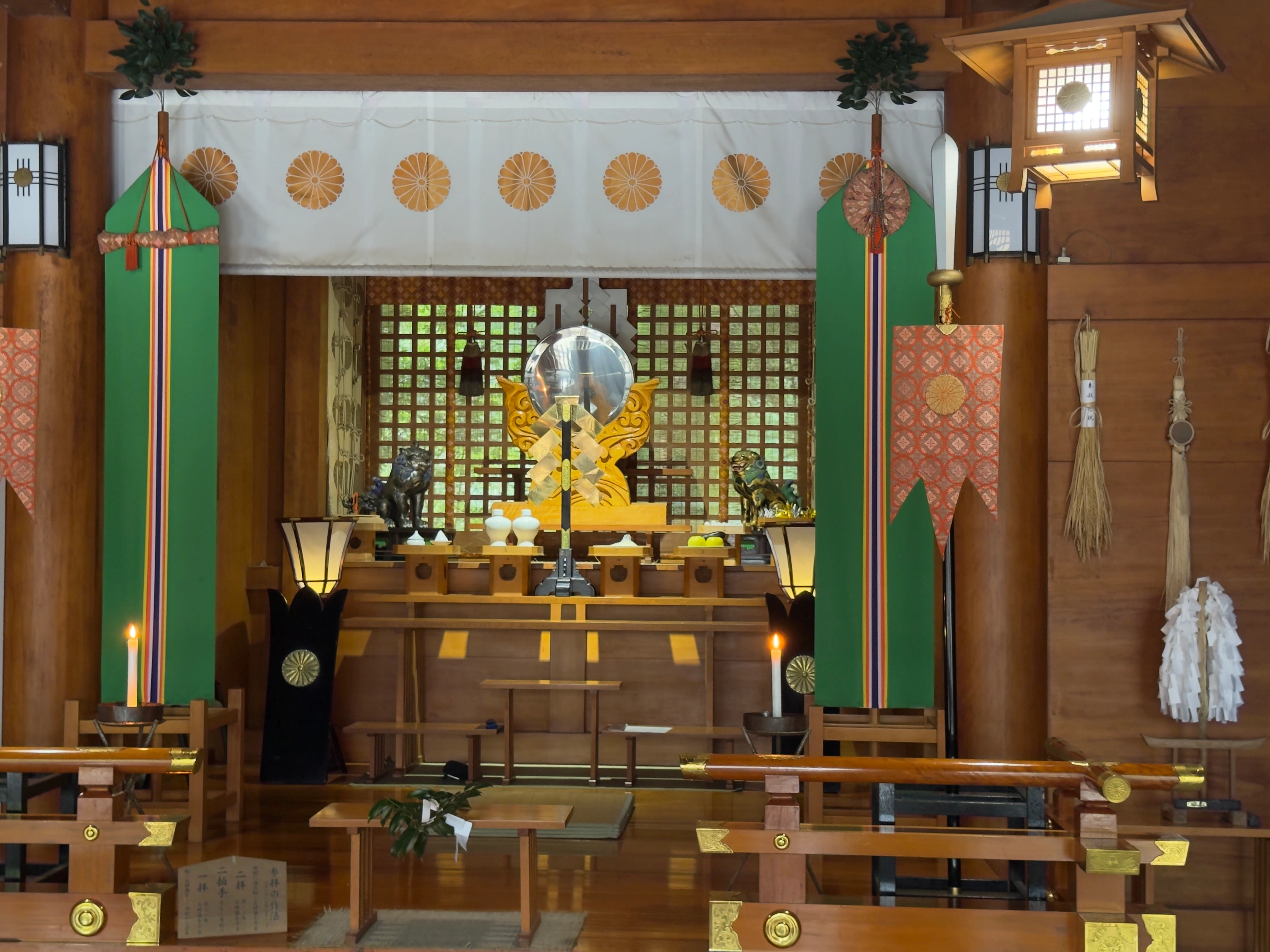
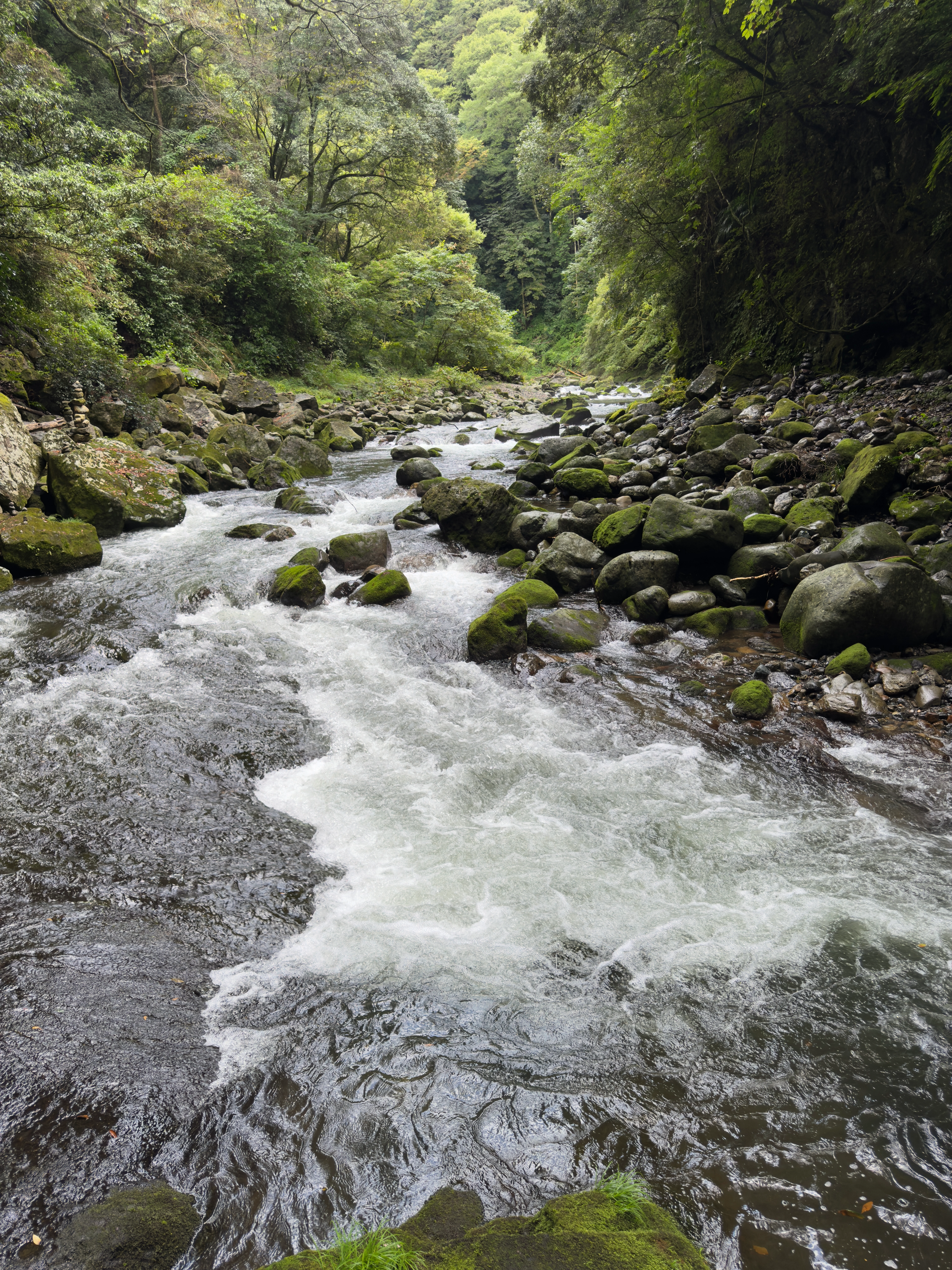
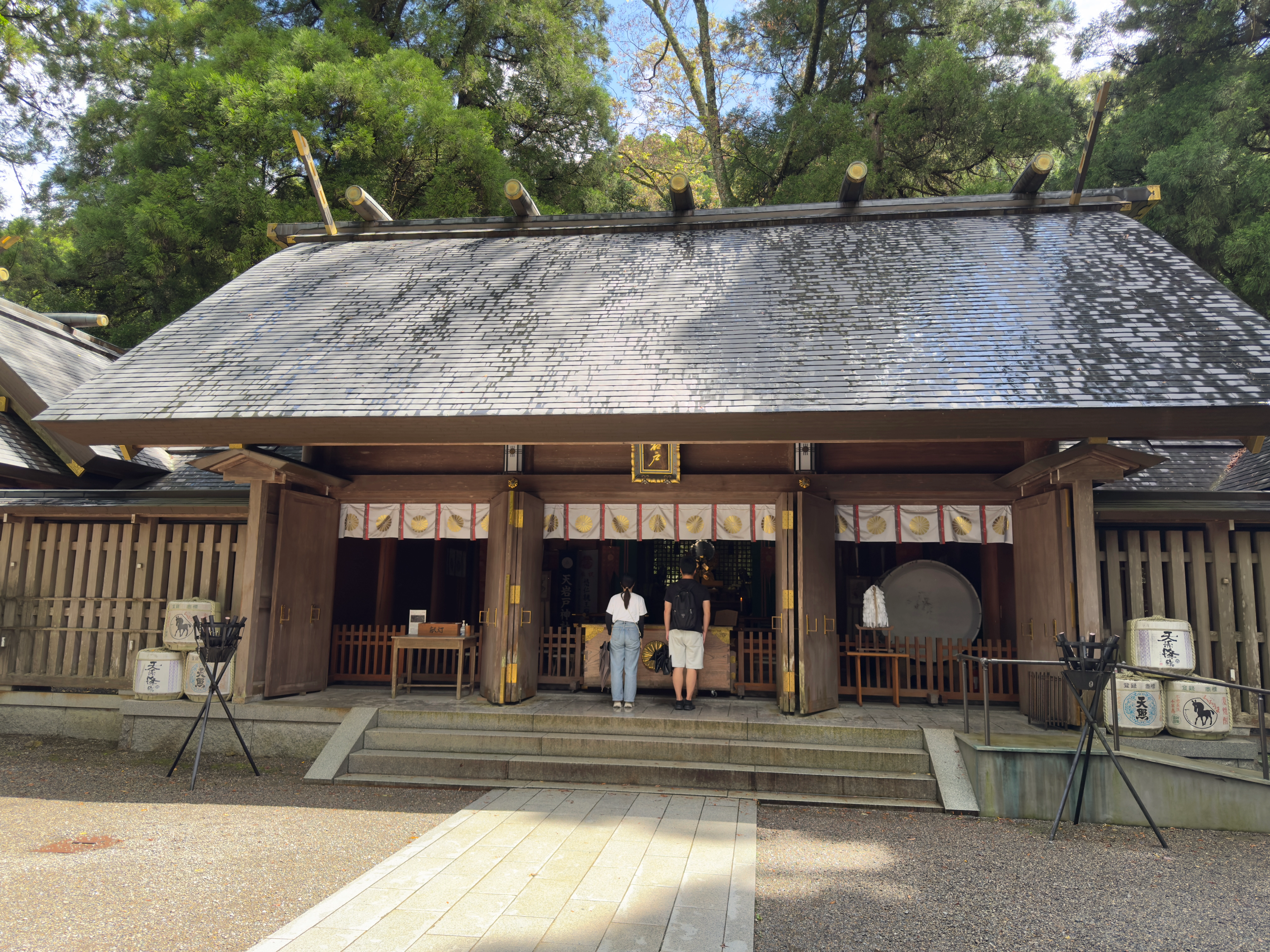
Amanoiwato Shinto Shrine in Miyazaki, Kyushu, stands as a profound center of Shinto spirituality, deeply rooted in Japan’s ancient mythology. Located in the town of Takachiho within Nishiusuki District of Miyazaki Prefecture on the island of Kyushu, the shrine occupies a serene, mountainous setting along the Iwato River. This remote, forested landscape enhances its sacred atmosphere, with the shrine complex divided into Nishi-Hongu (Western Main Shrine) and Higashi-Hongu (Eastern Main Shrine), both dedicated to the sun goddess Amaterasu Omikami.
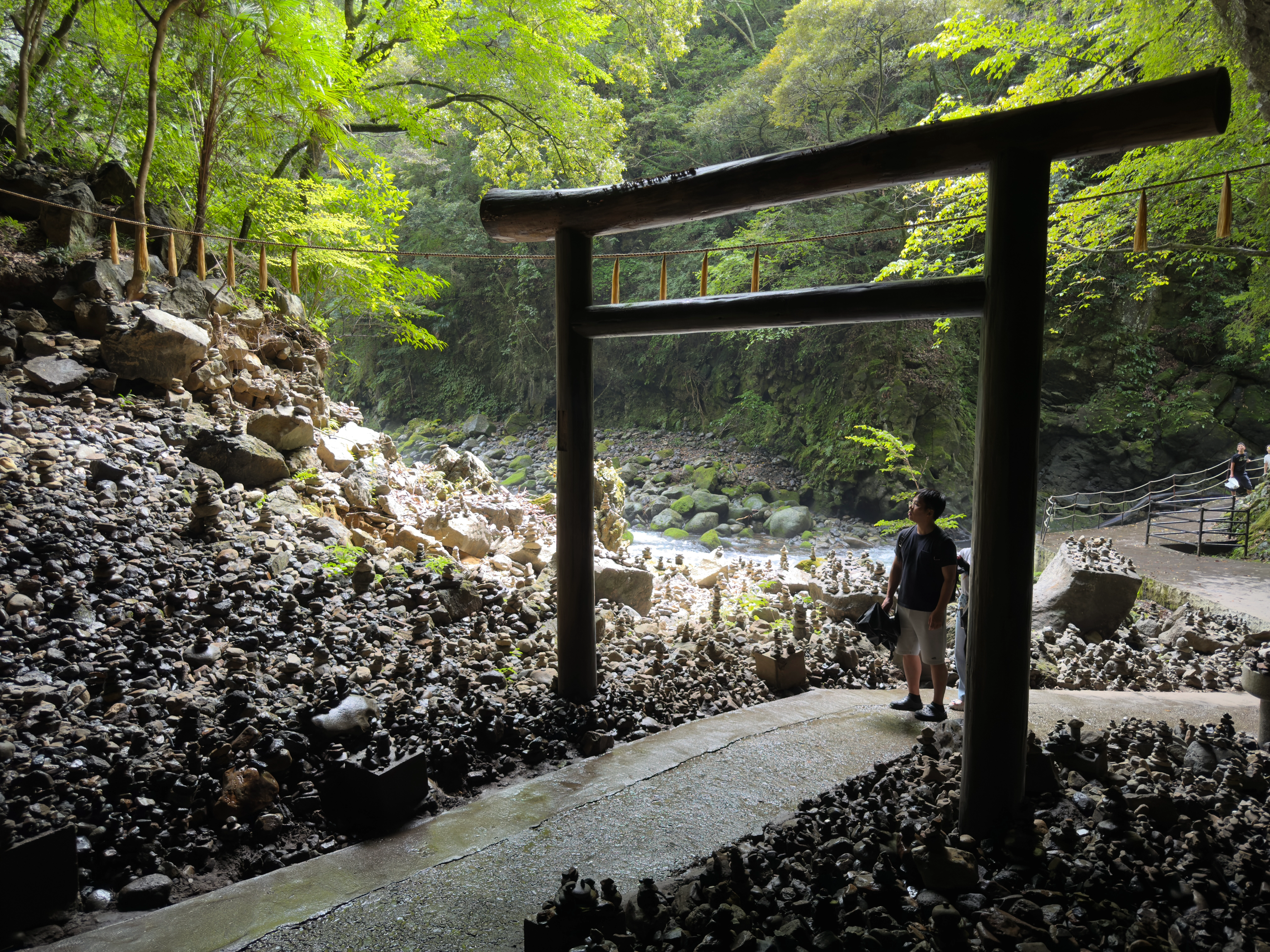
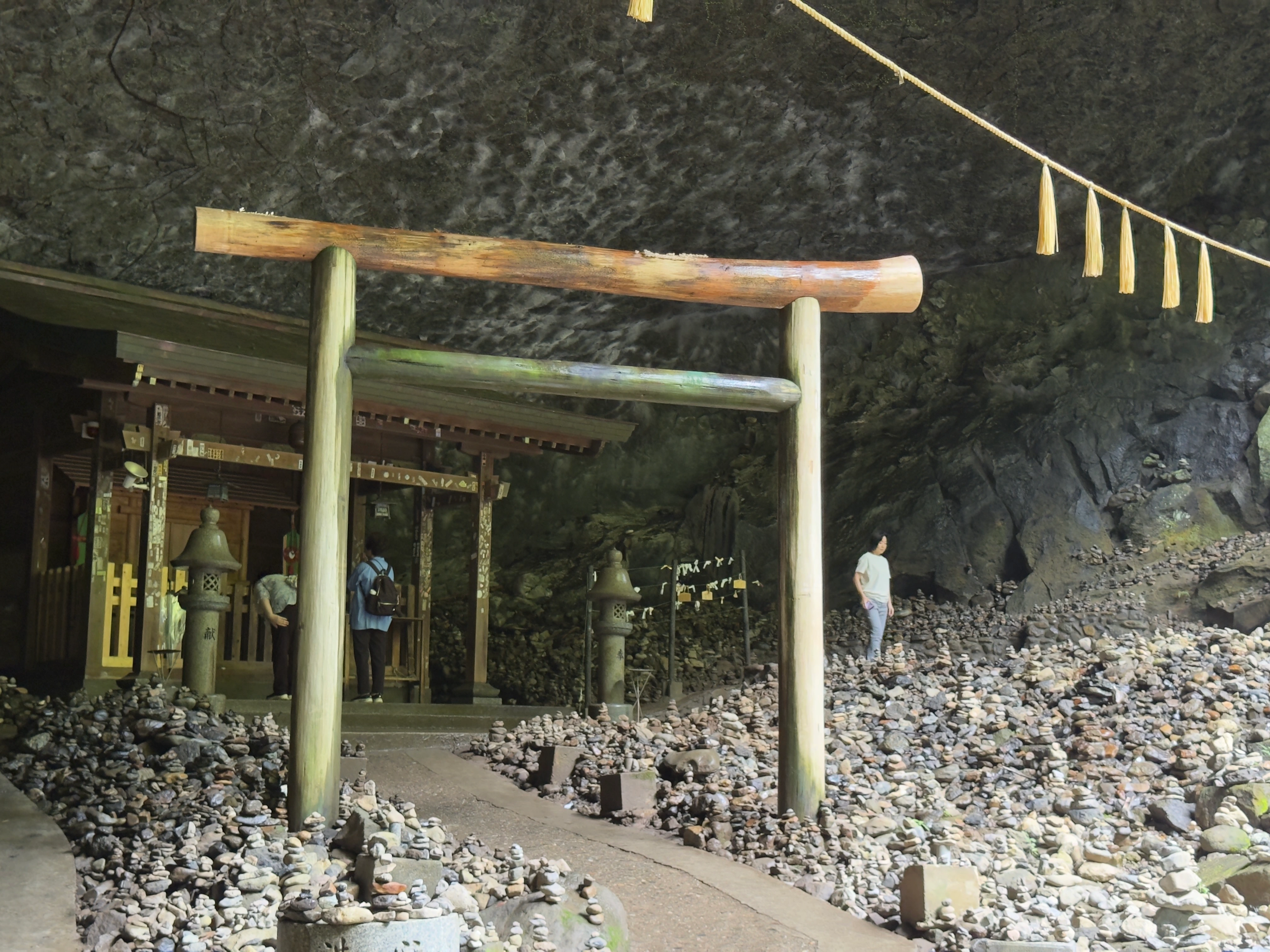
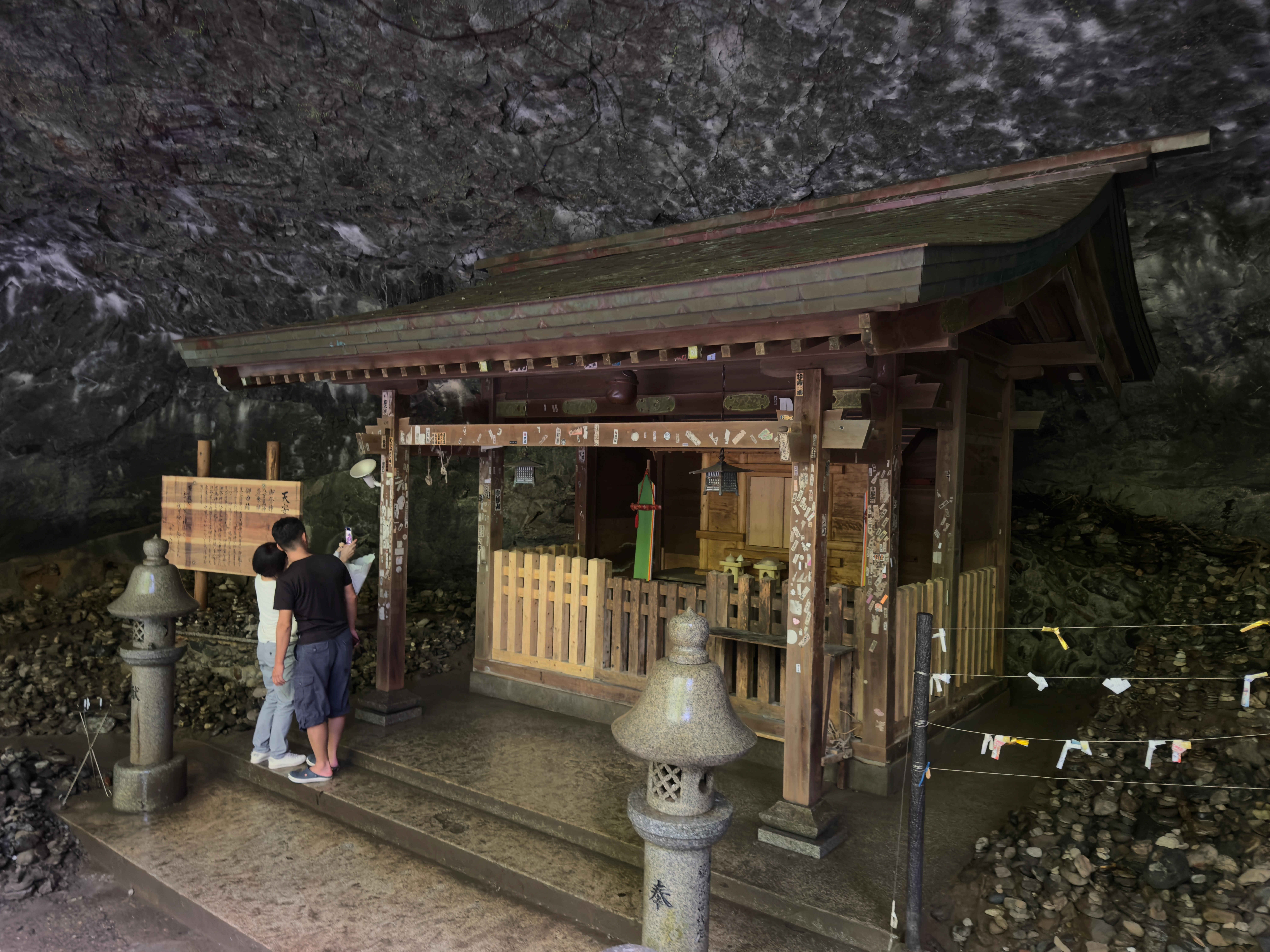
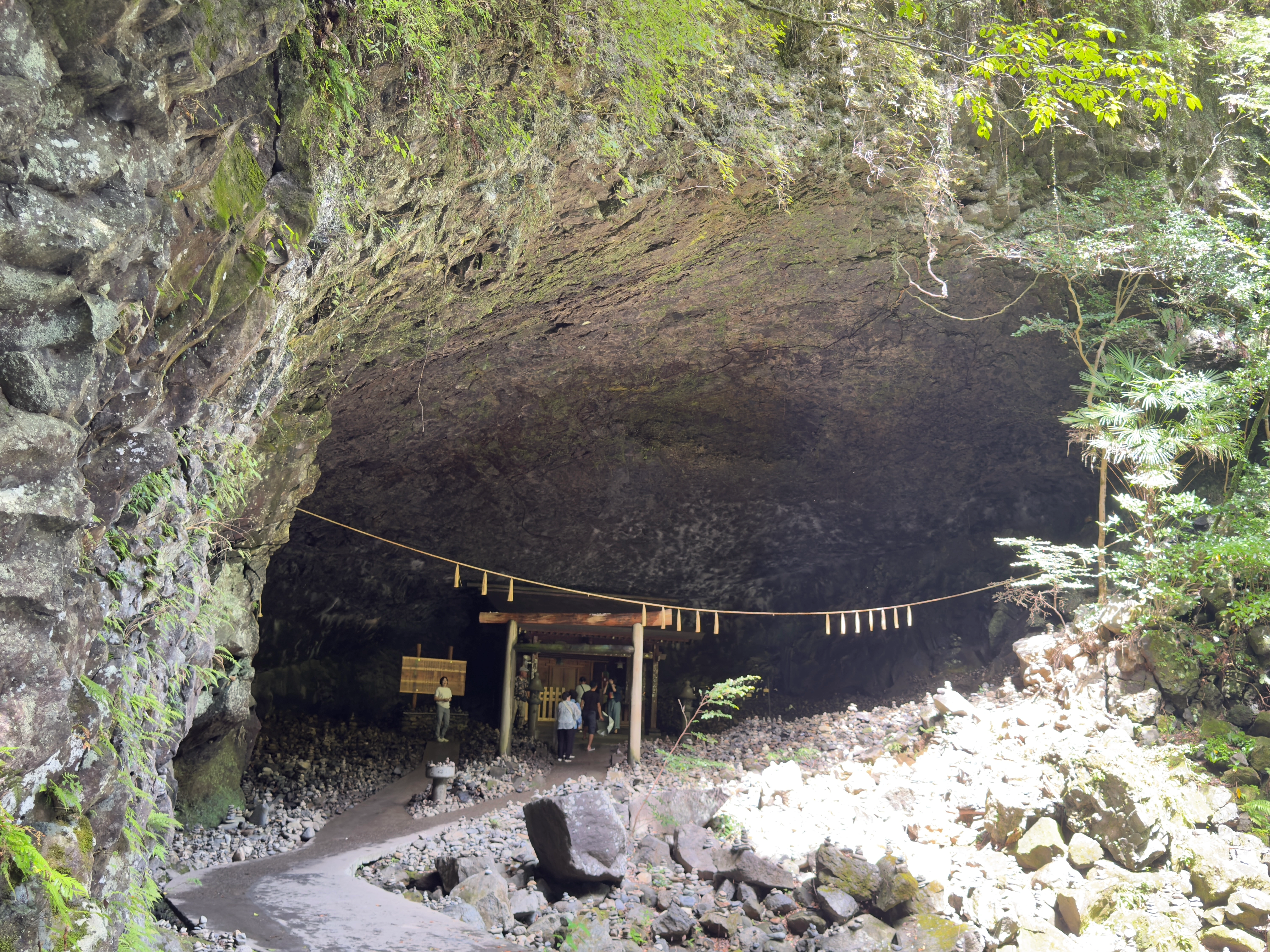
The shrine’s physical description reflects its mythological significance. The Nishi-Hongu enshrines the Amano Iwato cave itself—the “Heavenly Rock Cave”—where Amaterasu is said to have hidden. Pilgrims cannot enter the cave, preserving its sanctity, but view it reverently from across the gorge. Nearby lies Amano Yasugawara, a large riverside cave where, according to legend, countless deities gathered. This site features natural rock formations and the revered practice of stacking stones as offerings.
Central to the shrine is the mythology of Amaterasu. As recorded in the Kojiki and Nihon Shoki, the sun goddess withdrew into the cave after her brother Susanoo no Mikoto’s violent acts, plunging the world into darkness. The gods convened at Amano Yasugawara, where Ame-no-Uzume performed a lively, ribald dance that elicited laughter, drawing Amaterasu out and restoring light. This narrative symbolizes renewal, harmony, and the triumph of joy over discord.
Historically, the shrine preserves this ancient legend as one of Japan’s oldest sacred sites. While exact founding dates are tied to mythic origins, it has long served as a guardian of these traditions, with structures evolving over centuries to honor the cave and the divine assembly. Its endurance underscores the continuity of Shinto practices linking contemporary devotees to primordial events.
As a pilgrimage place, Amanoiwato holds immense importance for those seeking spiritual connection to Japan’s foundational myths. Devotees undertake the journey to offer prayers for renewal, good fortune, and divine favor, engaging in rituals that reaffirm communal bonds with the kami. The site’s power as a locus of mythological convergence draws pilgrims year-round to meditate on themes of light, concealment, and revelation. Major pilgrimage festivals include:
• New Year’s Festival: January 1, at midnight.
• Spring Grand Festival: May 2-3, featuring annual rites and kagura performances.
• Summer Purification Rites: June 30.
• Autumn Grand Festival: September 22, with kagura offerings.
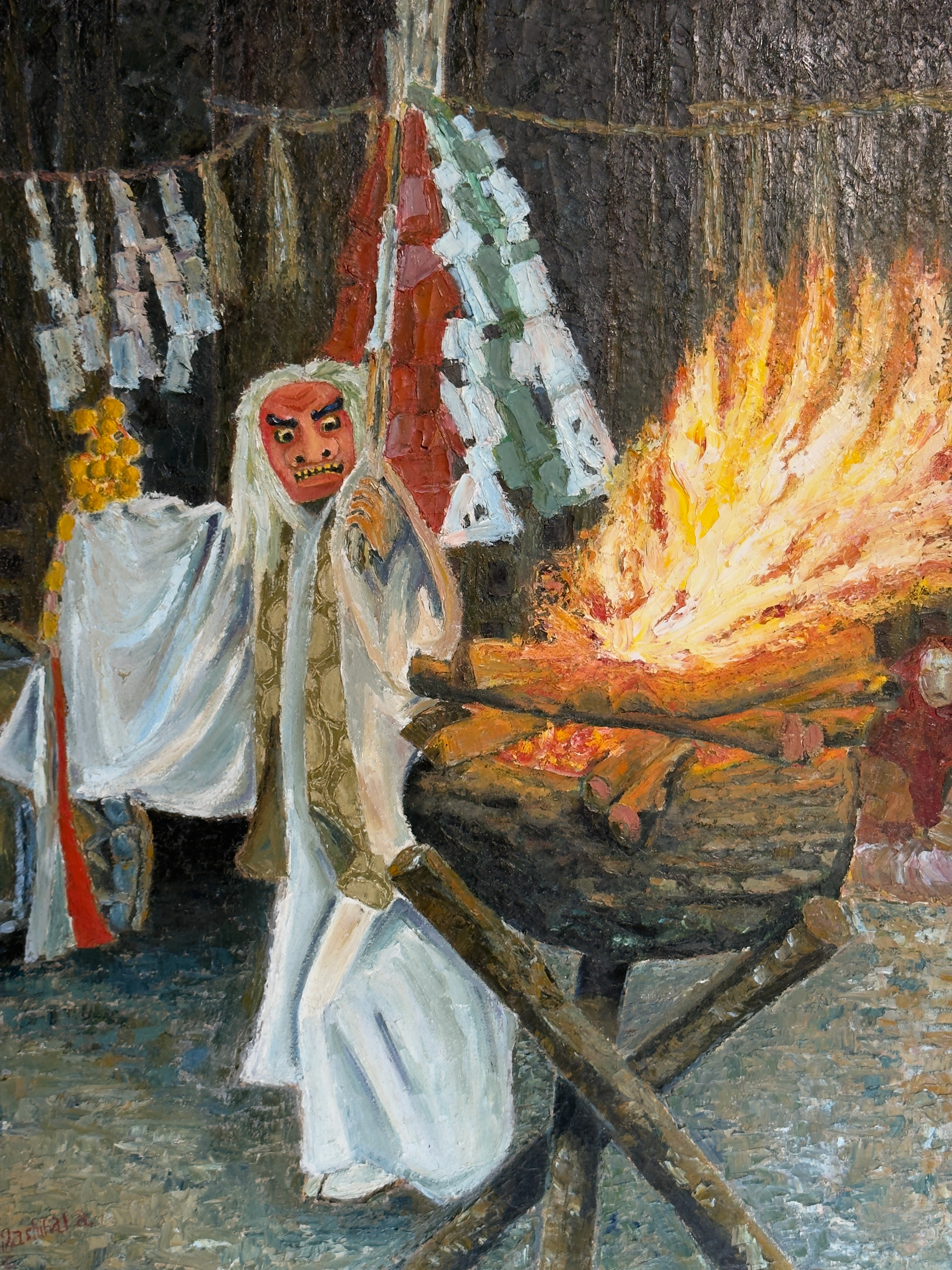
• Amano Iwato Kagura: November through February, involving extended night dances for harvest, protection, and divine invitation.



Martin Gray is a cultural anthropologist, writer and photographer specializing in the study of pilgrimage traditions and sacred sites around the world. During a 40 year period he has visited more than 2000 pilgrimage places in 160 countries. The World Pilgrimage Guide at sacredsites.com is the most comprehensive source of information on this subject.