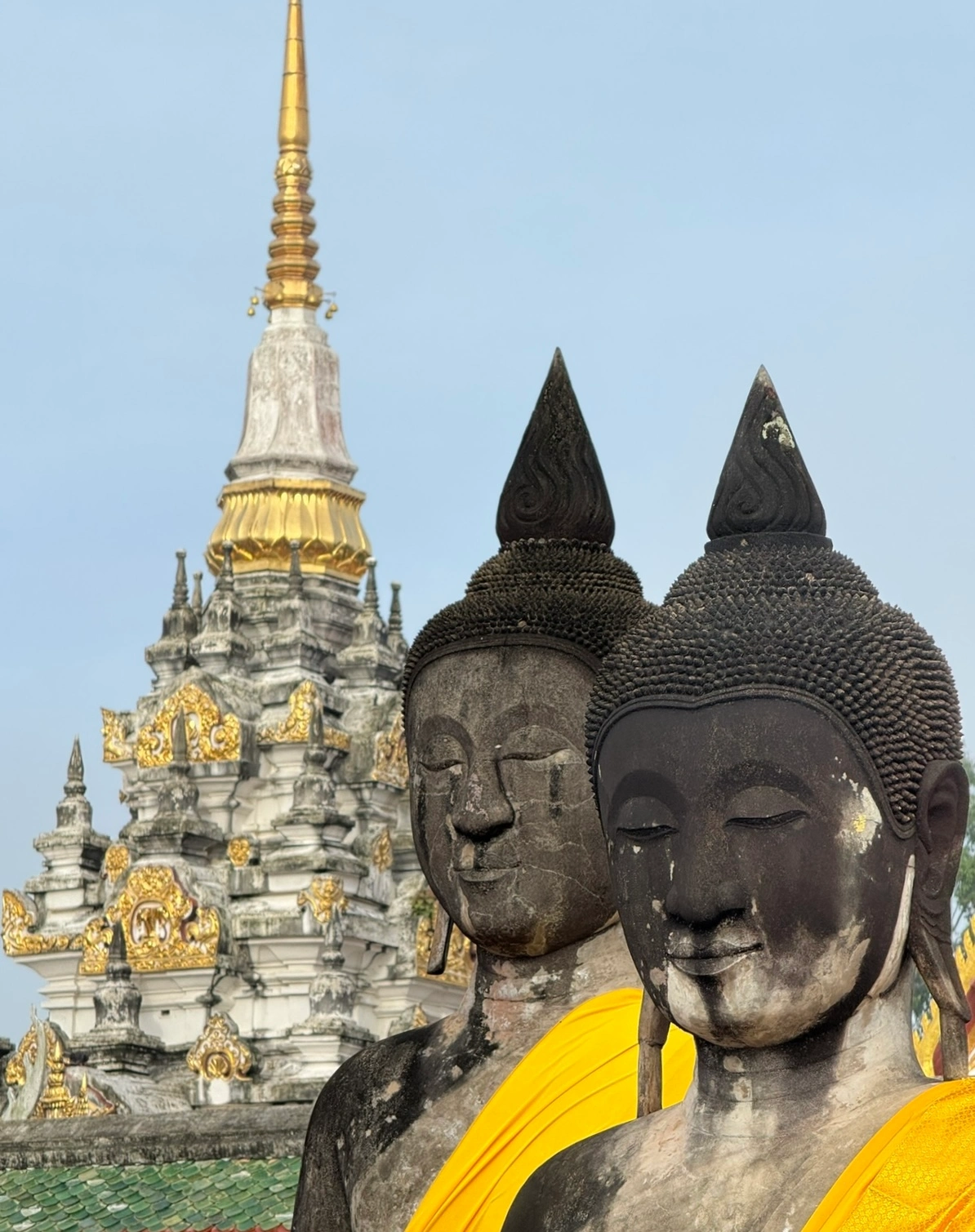
Wat Phra Borommathat Chaiya

Wat Phra Borommathat Chaiya Worawihan, also known as Wat Phra Borommathat Chaiya Ratchaworawihan, stands as one of southern Thailand’s most revered Buddhist landmarks. Located in Tambon Wiang, Chaiya District, Surat Thani Province, this first-class royal temple (Ratchaworawihan) of the Mahanikaya sect enshrines sacred Buddha relics (Phra Borom Saririkathat) within its central chedi. Recognized as the finest surviving example of Srivijaya-era architecture in Thailand, the site blends ancient maritime heritage with living Theravada devotion, drawing pilgrims and scholars alike.
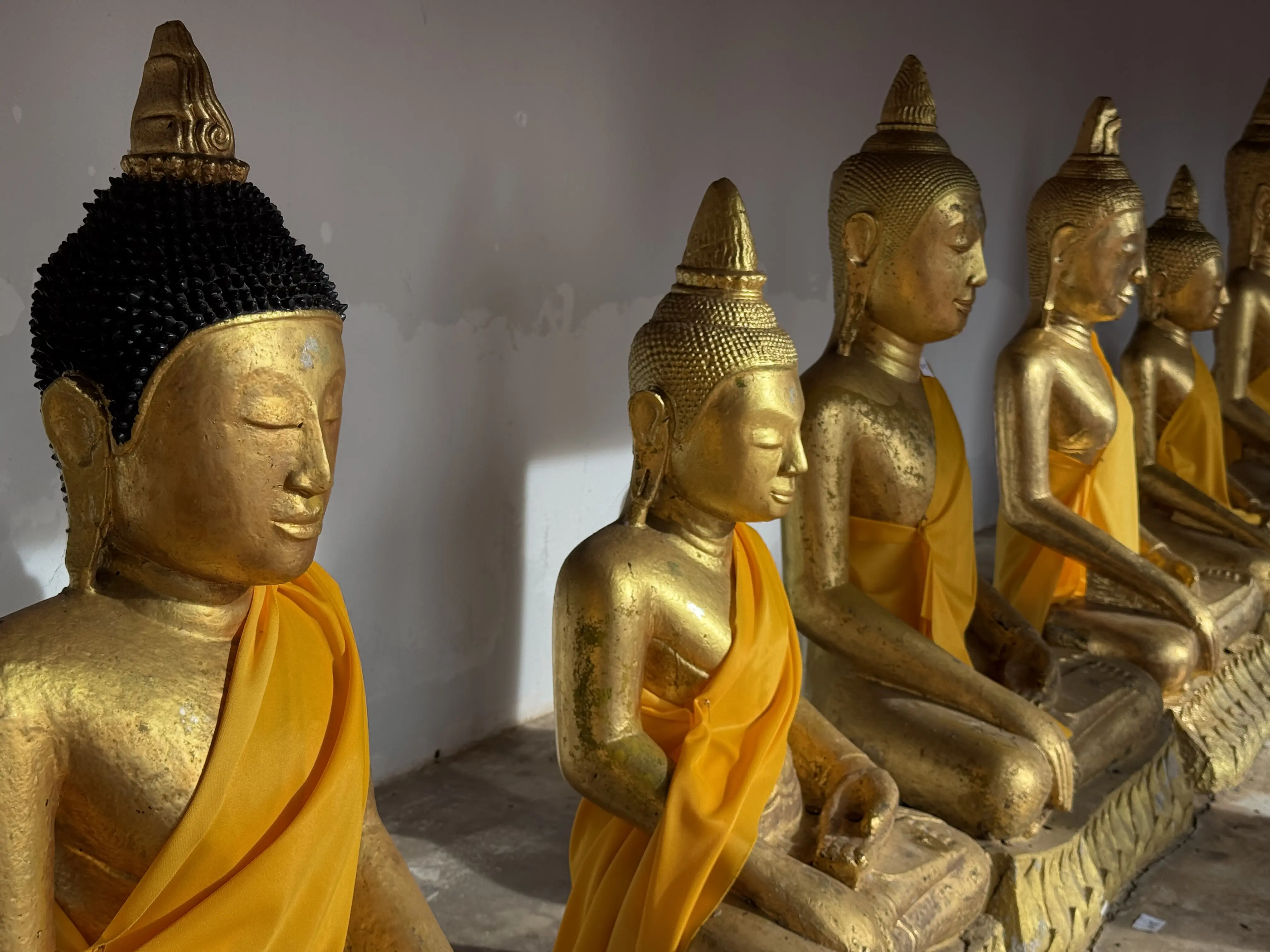
The temple’s architecture showcases distinctive Srivijayan and Javanese influences from the 8th to 10th centuries. The central prasat-style chedi rises about 24 meters on a cruciform base with four porticoes, its square lower levels adorned with pilasters and lotus motifs before transitioning to an octagonal plan and a bell-shaped stupa spire. Miniature round stupas crown each tier, while six smaller companion stupas on hexagonal bases encircle the main structure. Built of brick bound with vegetable mortar, the chedi features a relic chamber accessible via an eastern staircase and is surrounded by a cloistered walkway lined with ancient Buddha images. Intricate stucco reliefs, including Mahayana motifs like the four-faced Avalokitesvara and protective Kala faces, reflect hybrid Indo-Malay artistry. Restorations in the early 20th century and again in the 1970s preserved its form while adding gold leaf and a multi-tiered umbrella.
Local mythology and folklore center on the temple’s spiritual potency rather than elaborate origin myths. Oral traditions emphasize the divine protection afforded by the enshrined Buddha relics, which are said to safeguard the region through periods of upheaval. A sacred well within the compound is linked to numerous traditional tales of miraculous waters and healing properties. Nearby red sandstone Buddha images are believed to prefer open-air placement; legend holds that moving them indoors once invited a lightning strike, underscoring their sacred autonomy. These stories reinforce the chedi’s role as a nexus of relic veneration in southern Thai Buddhist lore.
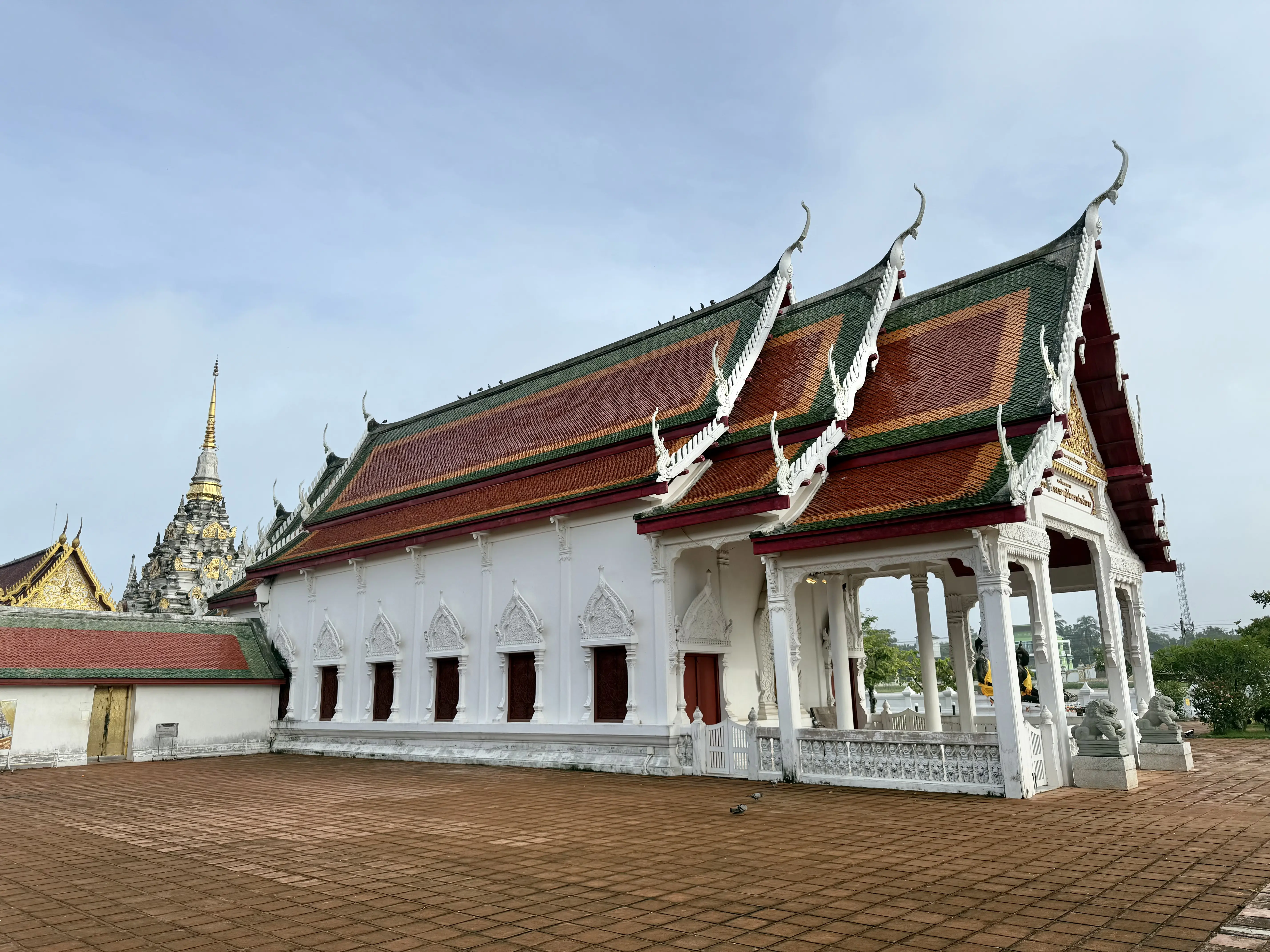
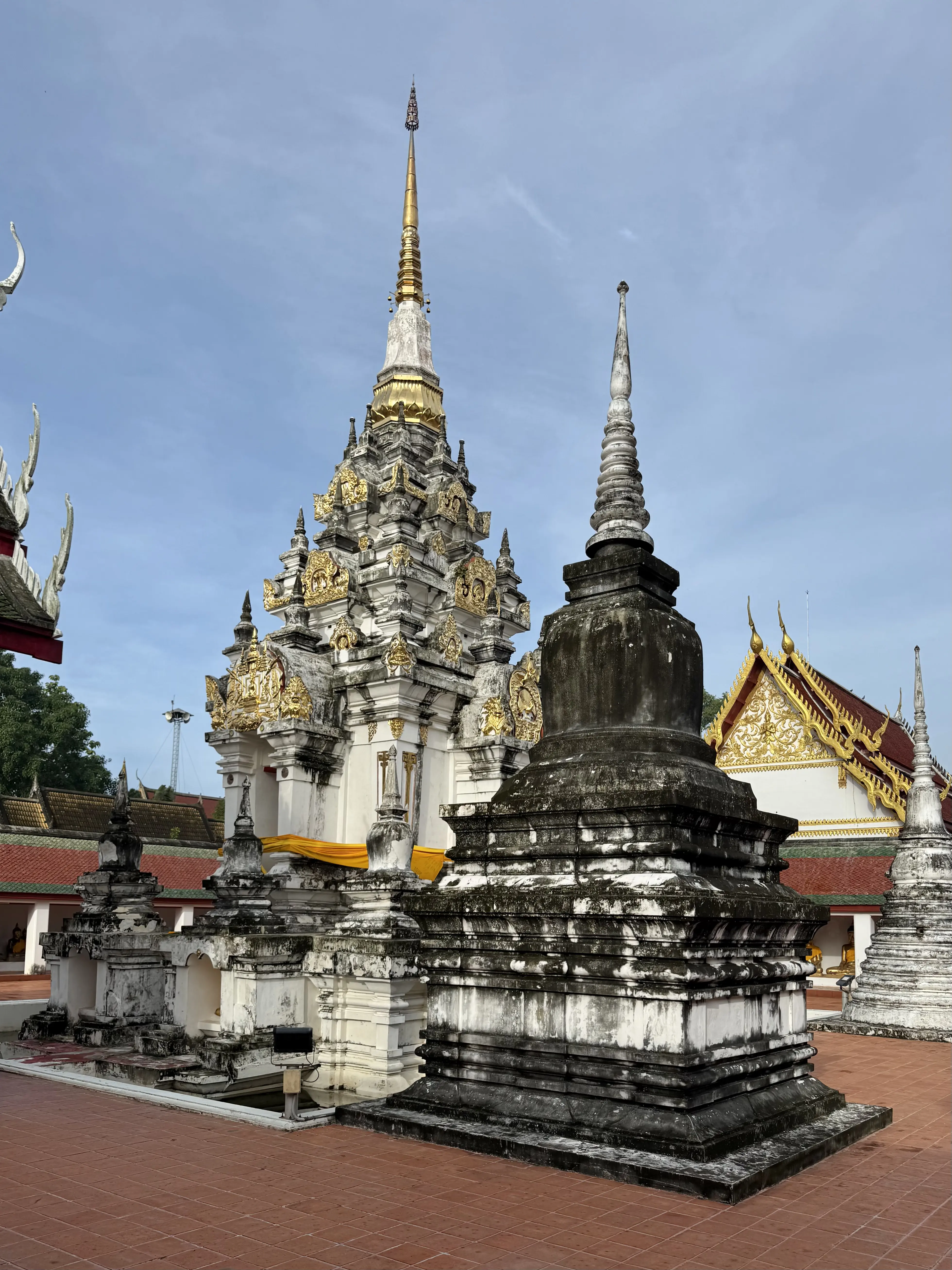
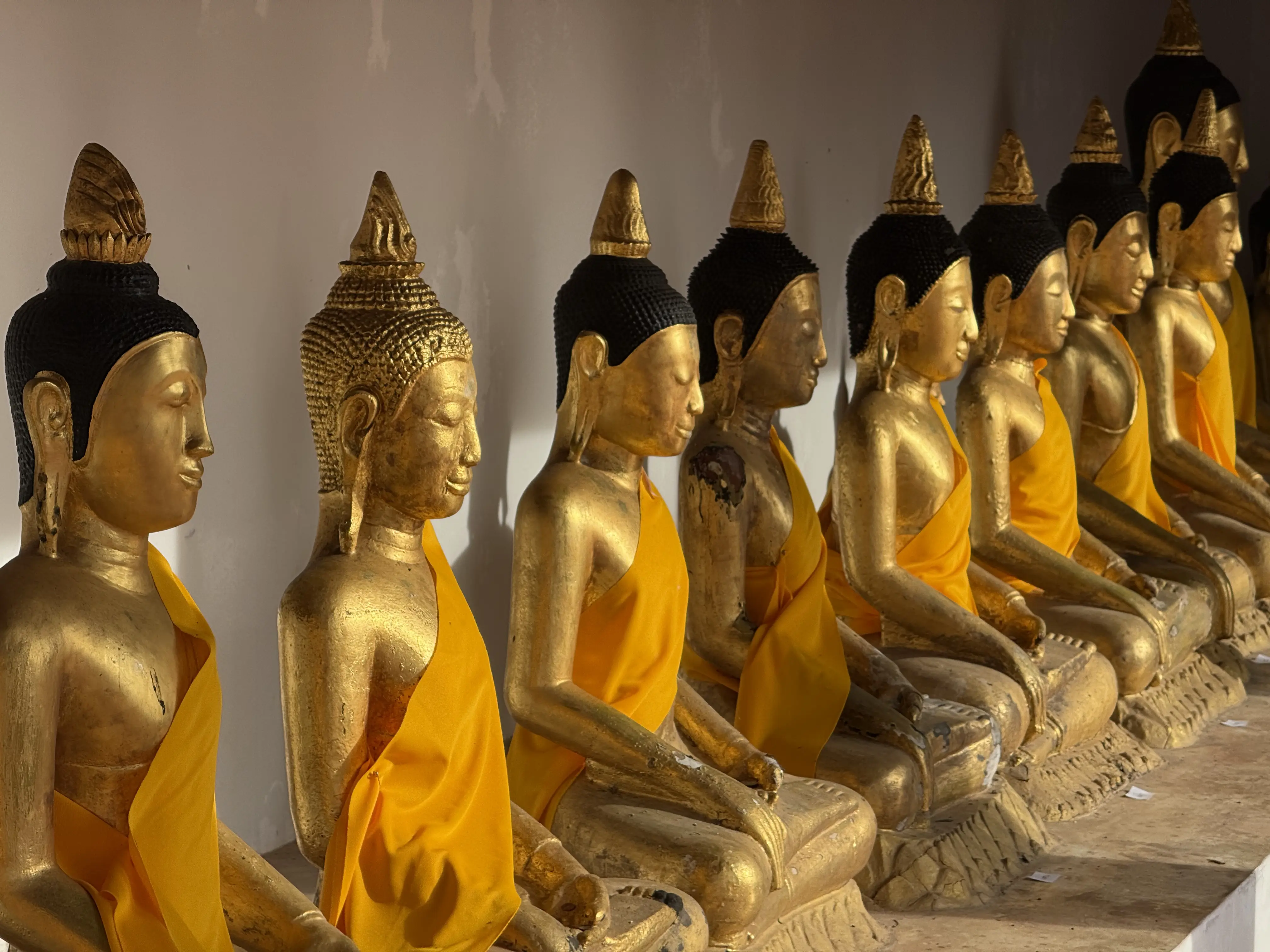
Historically, the temple traces its roots to the late 7th or early 8th century CE, when Chaiya served as a prosperous regional center of the Srivijaya maritime empire. Archaeological finds, including a 6th–7th century meditating Buddha and references in the 775 CE Ligor inscription, indicate early Mahayana foundations tied to royal patronage and Indian Ocean trade networks. The chedi itself dates to the late 8th–early 9th century, embodying Srivijayan prosperity before Chola invasions around 1025 CE caused temporary decline. By the 13th century, under the Tambralinga kingdom, it transitioned to Theravada Buddhism. Ayutthaya-period patronage was modest, but 20th-century restorations elevated its status as a national monument.
Today, Wat Phra Borommathat Chaiya Worawihan functions as a vibrant pilgrimage destination. Buddhists from Chaiya, Surat Thani, and beyond flock here to pay homage to the relics, especially during the annual Chaiya Temple Fair. Devotees participate in dawn almsgiving, chedi circumambulation, lantern-floating rituals on the nearby Tapi River, and merit-making ceremonies that blend Theravada and residual Mahayana elements. As one of southern Thailand’s three most sacred ancient sites and a provincial symbol, it offers basic pilgrim accommodations and fosters communal spirituality amid its peaceful grounds. The temple thus bridges antiquity with contemporary faith, sustaining cultural identity through quiet reverence and festive celebration.

Martin Gray is a cultural anthropologist, writer and photographer specializing in the study of pilgrimage traditions and sacred sites around the world. During a 40 year period he has visited more than 2000 pilgrimage places in 160 countries. The World Pilgrimage Guide at sacredsites.com is the most comprehensive source of information on this subject.